

























































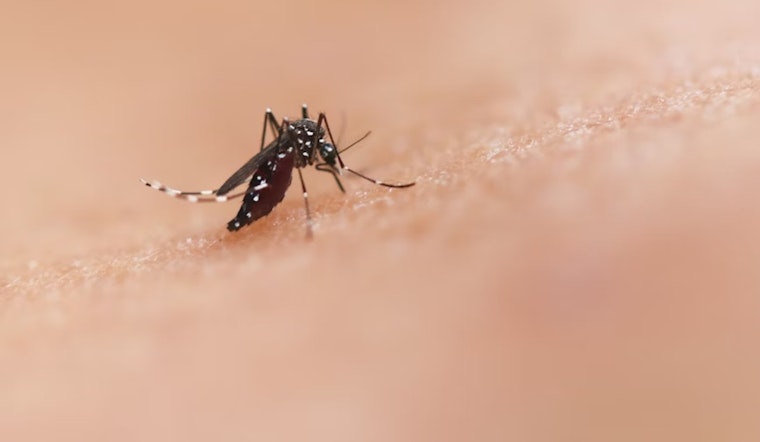
Residents of Shelby County, brace yourselves for the familiar hum of mosquito control trucks in your neighborhoods as the local health department rolls out its latest spraying schedule to combat the pesky biters. The Shelby County Health Department is continuing its strategic offensive against the West Nile Virus (WNV) carriers by dispatching teams to deliver EPA-approved insecticides across the region. In an effort to keep the threat at bay, mosquito control activities will take place during specified windows throughout the week, weather permitting.
According to the information provided by the Shelby County Health Department, starting tomorrow, and progressing through Friday, August 1, trucks will target different ZIP code areas for spraying. For the residents of ZIP codes 38138 and 38139, the week kicks off with an evening session on Monday from 8:15 p.m. to 11:15 p.m. The full schedule is transparently mapped out for public reference, detailing subsequent days and areas targeted, including 38128, 38135, and 3812,7, among others.
It's not just about the adult mosquitoes; the battle commences much earlier in the season. Shelby County's mosquito prevention strategy includes the application of larvicides, which are introduced to ditches and standing waters from February to stymie the larvae, curtailing the emergence of adult mosquitoes. The health department's ArcGIS story map sheds light on these efforts, showcasing a year-round plan of attack to limit the spread of WNV within the county's borders.
While the spraying is an essential part of the mosquito control strategy, it's not carried out indiscriminately. The Shelby County Health Department advises, "When the forecast calls for temperatures to drop below 60 degrees, spraying is ineffective and therefore is not scheduled." Furthermore, the protocol dictates that spraying must be canceled if there is a rain chance of 65% or greater, wind speeds of 11mph or greater, or temperatures below the 60-degree mark during the majority of the scheduled spray time. Citizens with respiratory ailments such as asthma or other lung conditions might want to remain indoors during spraying sessions to avoid potential irritation.





