

























































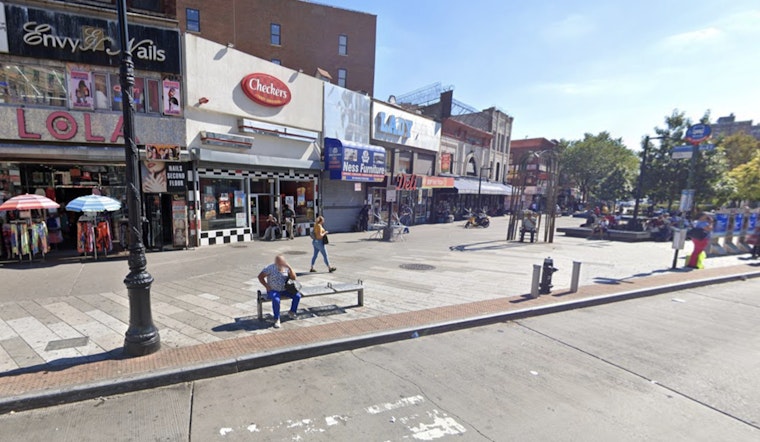
Mayor Eric Adams, amid a re-election campaign, held a press conference to showcase the "clean and safe" state of Roberto Clemente Plaza in the South Bronx, emphasizing the city's commitment to public safety and prosperity. However, storefront owners and South Bronx residents express doubts about the long-term efficacy of this initiative, as the problems with open-air drug use and homelessness seem relocated rather than resolved.
As reported by Gothamist, the cleanup involved more than just a physical transformation of the space. NYPD cordoned off the area, the sanitation department cleared debris, and city officials heralded a multiagency operation, including health and homeless services. But the impression of short-term optics over substantial change is palpable among community members. For instance, local business owner Arik Turjman told Gothamist, "Fighting and stealing, fighting and stealing," elaborating on the daily troubles that prompted him to shut down his clothing store, Lola, after 12 years.
The New York Post detailed that despite the beautification efforts, the reality a block away was starkly different, with individuals still grappling with substance abuse in close vicinity to the plaza. This paints a less rosy picture than the one framed by Mayor Adams and raises concerns about the city's ability to address the root causes of these issues.
Adding to this complexity, City Councilmember Rafael Salamanca Jr. voiced concerns about the concentration of service providers in the area, suggesting a need to spread out these resources. Meanwhile, providers like Samaritan Daytop Village, with a health center nearby, emphasized the deep-seated nature of these challenges. Their chief program and legal officer, Alicia McFarlane, noted to Gothamist, "This is an issue of poverty, right? This is an issue of lack. There’s housing instability, food insecurity. There are many social issues that create what's going on now."
Bronx Borough President Vanessa Gibson spoke on the necessity of pausing new services for drug users in the Hub, indicating a need to recalibrate the approach to this complex problem. Back at the plaza, the local community yearns for palpable, lasting change. Business improvement representatives and service providers reaffirm the need for multifaceted, enduring solutions – echoing the sentiment that without addressing the underlying factors, the area's struggles with drug activity and homelessness will merely be shifted around rather than genuinely resolved.





