

























































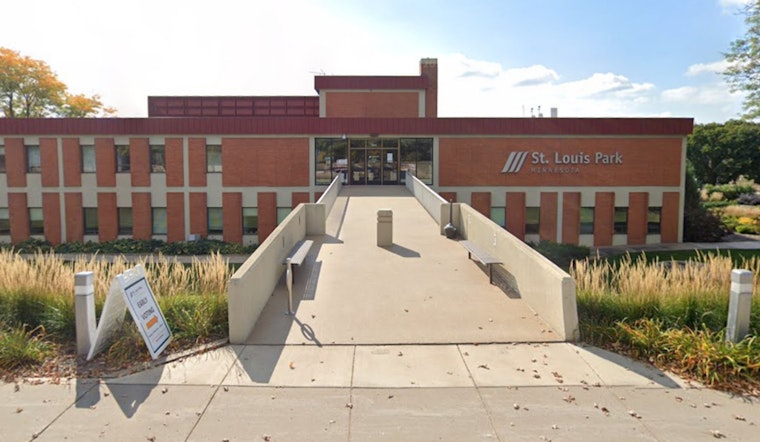
In a bid to tackle the escalating issue of food waste, the City of St. Louis Park, Minnesota, is reaching out to its residents with a practical challenge. Unspoiled food and leftovers comprise about a third of what ends up in organics recycling, typically; a significant portion of these could have been consumed instead of discarded. With an initiative aptly named the 'Stop Food Waste Challenge,' the city is encouraging individuals to become savvy consumers and reduce their food waste footprint.
The challenge provides participants with various strategies focused on purchasing food that will be eaten, and ensuring that the food that ends up in their kitchen doesn't go to waste. "Join the Stop Food Waste Challenge to learn better strategies for buying food you’ll eat and eating the food you buy," the city urged in a social media post. In doing so, the city highlights the dual benefit of the challenge: minimizing household food waste and saving money by avoiding unnecessary purchases.
Residents who are interested in joining the 'Stop Food Waste Challenge' can sign up with the St. Louis Park residents team. With the goal of engaging the community, the city has set a deadline for registration before August 1. According to the City of St. Louis Park's Facebook post, interested individuals can register at a designated website provided by the city.
Food waste is not only a local concern but a global one, with substantial environmental implications due to the wastage of resources used in food production and the greenhouse gases released when organic matter decomposes in landfills. Combining education with actionable steps, the Stop Food Waste Challenge aims to empower residents to make every bit of their food purchases count. It's an effort that could lead to a substantial reduction in the volume of food that needs to be recycled—a move that's as good for wallets as it is for the planet.





