

























































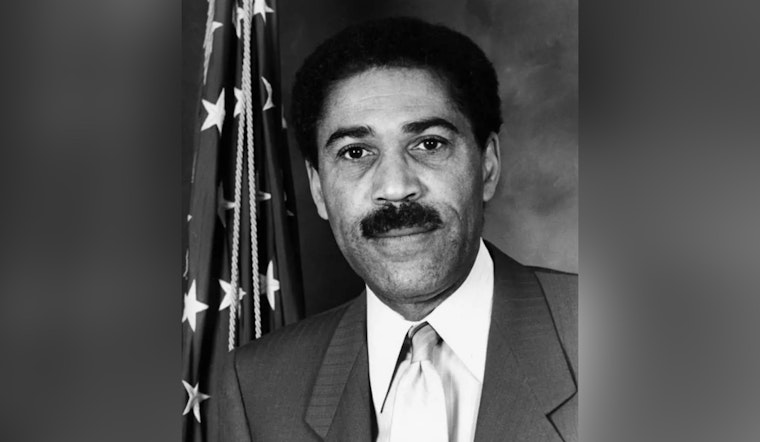
William L. "Bill" Clay Sr., a pivotal figure in the civil rights movement and the first Black congressman from Missouri, passed away at the age of 94. His death occurred at his daughter's home in Virginia this past Thursday, leaving behind a legacy of over three decades in Congress where he co-founded the Congressional Black Caucus and headstrong advocacy for labor and the disenfranchised; his political acumen was not contained to the halls of Capitol Hill but also felt in the local spheres where his political machine held sway, capable of making or breaking careers in his hometown.
In Washington, Clay was known not only for his role in the Congressional Black Caucus but also for his chairmanship of the Post Office and Civil Service Committee between 1991 to 1995, KSDK noted, through his life before politics was marked by his time in the Army, after which he engaged in organizing demonstrations against racial discrimination in Alabama, and his undergraduate years at Saint Louis University where he majored in political science, after all, his roots were humble, as the son of a welder. Survived by his son, William Lacy Clay Jr., who carried on his father's political torch in Congress, along with two daughters and a number of grandchildren and great-grandchildren, family surrounded him during his final moments, embracing the patriarch of a lineage deeply interwoven with public service and dedication to societal progress.
Known for sponsoring the Family and Medical Leave Act of 1993, which mandates that businesses with more than 50 employees offer up to 12 weeks of unpaid leave for familial and medical reasons, Clay's legacy carries weight for millions of Americans today; apart from his economic justice pursuits, he consistently advocated for raising the minimum wage and amplified funding for historically Black colleges as the nation grappled with its ongoing dialogue on racial and social equity, FOX 2 elucidated in their coverage of his enduring impact.
Clay played a significant role in shaping both St. Louis and national politics through his work on environmental protection, changes to the Hatch Act to expand political rights for federal workers, and efforts to support underserved communities. Wesley Bell, who now holds the congressional seat once held by Clay and his son, reflects the ongoing changes in political leadership and representation influenced by Clay’s contributions.





.webp)