

























































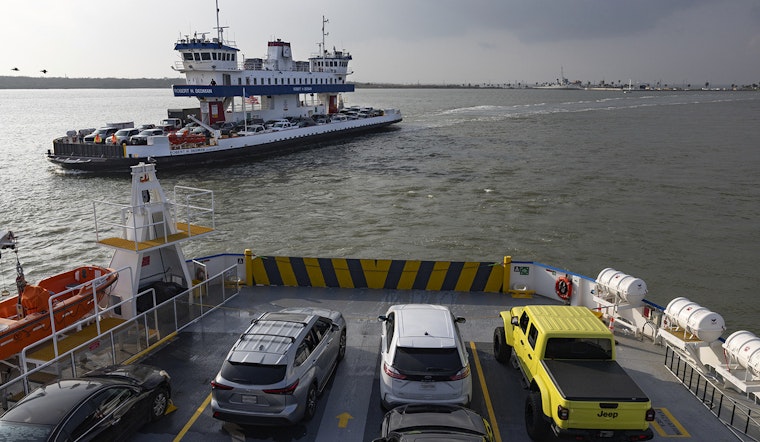
The Texas Department of Transportation (TxDOT) doesn't limit its management to the miles of asphalt crisscrossing the state; it also oversees a critical component of coastal transportation: ferry services. An essential piece of this system is the Galveston Ferry, bridging the gap between Galveston Island and Bolivar Peninsula. As reported by TxDOT, daily life for many in southeast Texas and beyond depends significantly on this ferry service for their commutes to work, school, or leisure along the Gulf.
Especially during the summer, hordes of vacationers add to the regular traffic on these floating workhorses, looking for a respite from the Texan heat. They head to destinations like Port Bolivar, Crystal Beach, and Gilchrist, with some owning vacation homes in these beachside locales. For the ferry system, the task is Herculean: transporting roughly five million passengers and 1.5 million vehicles annually, as noted in a TxDOT release.
The operation is more than just moving people and vehicles from point A to point B. It involves dedicated crews led by captains working eight-hour shifts, racking up more than 4,000 landings annually. "This is an enormous feat on just one day and we do this over a span of 50 plus weeks a year," Galveston Ferry Operations Manager Elworth Wilcox was quoted as saying in the TxDOT article. The schedule and number of operating ferries fluctuate with demand, time of year, and necessary maintenance to keep the service running smoothly.
In parallel, the Port Aransas Ferry system, which provides a link across the Corpus Christi Channel, plays a no less significant role in the Corpus Christi area's travel dynamics. Also following a 24/7 operating schedule, the Port Aransas route shepherded 2.4 million vehicles and 3.8 million passengers last year, according to TxDOT statistics. Both ferry services underscore their importance not just for everyday regional mobility, but also for tourism and emergency access, cementing their essential status in Texas's coastal infrastructure.
Detailed information about ferry schedules, including the Galveston and Port Aransas services, can be found on TxDOT's dedicated ferry boat schedules web page, ensuring that both residents and tourists can plan their coastal travels effectively and stay informed on the operational status of these indispensable maritime links.




