

























































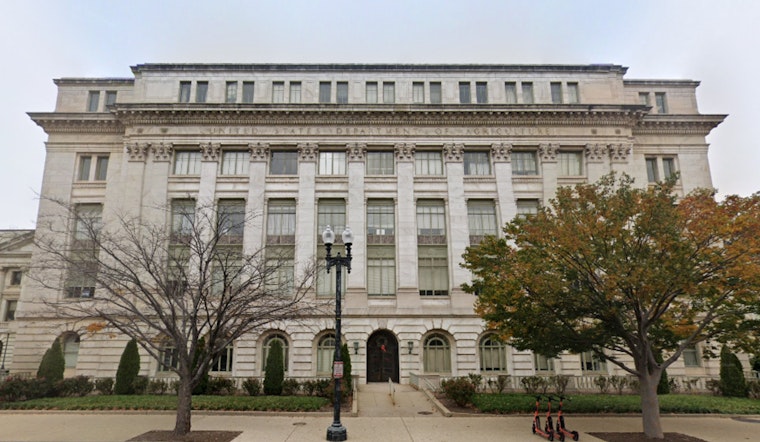
In a significant development for the agricultural sector, especially for those hit hard by Mother Nature's wrath, the USDA has stepped up to extend its financial support to the farming community. Secretary Brooke L. Rollins announced a new avenue of aid for farmers facing crop losses due to a slew of natural disasters in the past two years, with the Supplemental Disaster Relief Program (SDRP) poised to distribute up to $16 billion. Georgia's Agriculture Commissioner, Tyler J Harper, was quick to endorse the move, emphasizing the considerable benefit to his state's farmers reeling from Hurricane Helene's havoc.
As reported by the Georgia Department of Agriculture's official website, Harper said, "I'm incredibly grateful to Secretary Rollins and her team at USDA for acting swiftly to make much-needed Hurricane Helene relief funding for Georgia farmers and producers." He also mentioned that “While we continue negotiating hard to secure the best possible block grant agreement for Georgia, today’s announcement is welcome news for our state’s #1 industry and Georgia farm families who can now begin applying for relief.”
The SDRP, earmarked as Stage One, will leverage pre-existing data from NAP and RMA to streamline applications, sending pre-filled forms to eligible producers. This program specifically supports losses from natural phenomena, including hurricanes, wildfires, and droughts, among others, across 2023 and 2024. Applications opened as of Wednesday, simplifying the process and aiming to provide funds where they're due promptly. However, producers in Connecticut, Hawaii, Maine, and Massachusetts will chase a different path, procuring aid through individual block grants provided within the American Rescue Act allocations, according to the same press release.
Eligibility for the SDRP requires producers to have experienced losses due to severe weather conditions across the stipulated timeframe. The method for applying has also been detailed, necessitating the submission of the FSA-526 form alongside other necessary documentation, with the net indemnities from previous NAP or federal crop insurance to be factored into the SDRP amount. For those receiving payments, federal crop insurance or NAP coverage becomes a mandatory purchases for the subsequent two crop years at a minimum 60% coverage level.
Looking ahead, the FSA will disclose further details on Stage Two of the SDRP this fall, which will cover additional losses yet to be indemnified. This announcement aligns with the broader initiative under the American Rescue Act of 2025, wherein Congress has earmarked $20 billion specifically for agricultural aid in light of natural disasters.





