

























































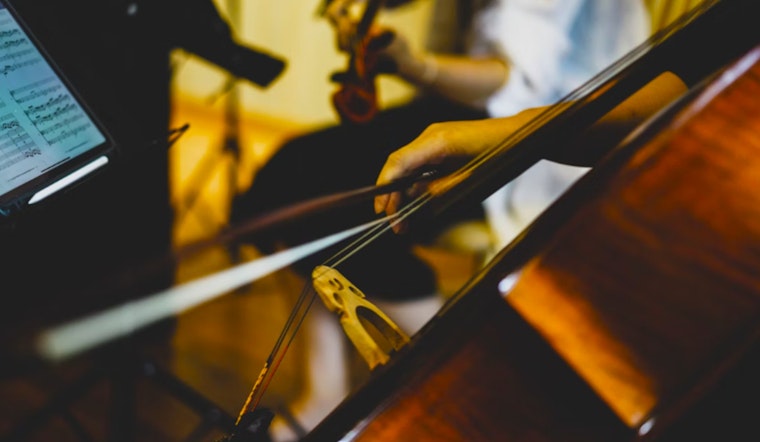
When the war in Ukraine forced families to flee, many individuals, including Vancouver-based cellist Nikolai Dorosh, faced the heartbreaking need to abandon not just their homes but also their dreams. Dorosh, who once possessed a cello that was an embodiment of his aspirations, had to make the ultimate sacrifice by selling his cherished instrument to ensure the safety of his family. According to a KGW report, the tumult of war didn't just claim lives and displace families, but also silenced the music that once brought joy to the Dorosh household.
Since being displaced, Dorosh's journey has led him to Vancouver, where his family's resettlement unfolded through a government program that links displaced Ukrainians with U.S. sponsors. Reflecting on his situation, Dorosh shared with OregonLive, "How would you react to it? If you got something that’s beyond your dreams, something that’s beyond the normal wish, normal desire?" He worked various side jobs, including driving for Uber and Amazon, to support his family amidst a challenging new beginning.
But even in times of profound loss, there's a glimmer of hope. Now, Dorosh has turned to the community, initiating a fundraiser to replace his lost cello, an exquisite instrument once handcrafted by Gabriele Jebran Yakoub and adorned with a biblical scene. Speaking to the deep emotional bond between a musician and his instrument, Dorosh told KPTV, "Oh, it was my dream. I dreamt about this instrument when I lived in Ukraine, even from childhood."
Community members in Vancouver have rallied behind Dorosh, a local musician, helping him replace a lost instrument that holds deep personal and cultural significance. The instrument, a symbol of his Ukrainian heritage, was lost during his displacement due to the ongoing conflict. Local organizers described the support as a way to preserve artistic expression amid the challenges faced by those affected by war.



