

























































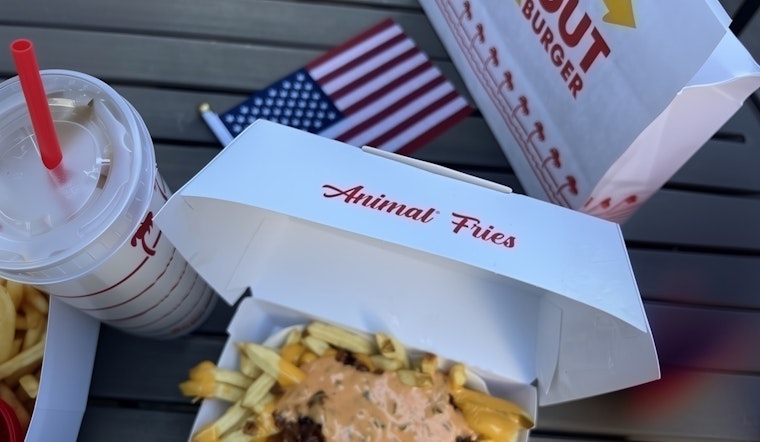
Confusion continues to swirl around In-N-Out Burger's recent ingredient changes, with viral social media posts and online discussions falsely claiming the California-based chain has switched to cooking its fries in beef tallow as part of the "Make America Healthy Again" movement. The reality is more nuanced: while In-N-Out has made some ingredient modifications, it has not adopted the beef tallow switch that competitor Steak 'n Shake implemented earlier this year.
The confusion stems from In-N-Out's announcement in May that it was removing artificial ingredients from select menu items, according to CNN. The chain eliminated artificial dyes from its strawberry shakes and signature pink lemonade, replacing them with natural coloring, and began transitioning to ketchup made with real sugar instead of high-fructose corn syrup. However, In-N-Out continues to fry its potatoes in sunflower oil, the same method the company has used since 1948.
It's official. In-N-Out will be transitioning to 100% pure beef tallow. The change is set to become effective on 05/01/2025 at all In-N-Out locations.
— ᶠᵃⁿ In-N-Out Burger (@innoutburger_) April 1, 2025
The beef tallow confusion can be traced back to an April Fool's Day post from a fan parody account that claimed In-N-Out would transition to "100% pure beef tallow" effective May 1, 2025. The fake announcement from @innoutburger_ - clearly marked as a fan account rather than the official In-N-Out social media presence - demonstrates how easily misinformation can spread when it aligns with existing political narratives and consumer desires.
The White House sent out a MAHA announcement based on an In-N-Out April Fool's Day joke. https://t.co/ZsWiUp1bN2
— Sara Libby (@SaraLibby) July 14, 2025
The misinformation reached the highest levels of government when the White House issued a Make America Healthy Again announcement based on the fan account's April Fool's prank, as revealed by Sara Libby, Politics editor for the San Francisco Chronicle. The incident highlights how rapidly food-related misinformation can spread through social media and official channels, with a single parody tweet ultimately influencing federal communications.
The Make America Healthy Again Connection
In-N-Out's ingredient changes align with broader food industry shifts following federal announcements about phasing out synthetic dyes. The FDA announced plans in April to eliminate petroleum-based synthetic dyes from the nation's food supply by the end of 2026, with Health and Human Services Secretary Robert F. Kennedy Jr. describing them as "poisonous compounds," according to CNBC. In-N-Out was among the first restaurant chains to act on these recommendations, but the changes did not extend to cooking oils.
The beef tallow narrative gained significant traction through Kennedy's "Make America Healthy Again" campaign, which has specifically targeted seed oils. The Conversation reports that Kennedy's campaign now includes T-shirts with the slogan "make frying oil tallow again." However, nutrition experts broadly disagree with claims that seed oils are toxic, with research showing they can actually decrease cholesterol levels when replacing saturated fats.
Bay Area Restaurant Trends
The seed oil debate has reached San Francisco Bay Area restaurants, with some establishments making the switch to alternative cooking methods. The San Francisco Chronicle reported that restaurants like Camino Alto in Cow Hollow roast their pork shoulder in its own fat and use expensive extra-virgin olive oil rather than canola oil for vegetables. At Stoa in San Francisco, chef Joji Sumi uses an oil derived from sugarcane fermentation, produced by San Mateo company Zero Acre, though it costs approximately four times more than rice bran oil.
Proper Hotels has eliminated seed oils entirely from all locations, including those in San Francisco and Santa Monica, according to their announcement. The hotel group has partnered with Zero Acre Farms to use fermented, high-heat oil for deep frying across all properties.
Social Media Misinformation
The confusion about In-N-Out's cooking methods was amplified by fake social media accounts. In December 2024, a viral tweet from the account @innoutburger_ claimed the chain had received numerous requests to switch to beef tallow fries, but Elon Musk pointed out that the account was fake. This led to further speculation and petitions from customers asking the real In-N-Out to make the switch.
Multiple online communities have created resources tracking restaurants that use beef tallow, including SeedOilScout.com and LocalFats.com. These platforms show growing consumer interest in alternative cooking methods, though Yahoo reports that nutrition experts remain divided on whether switching from seed oils to beef tallow provides meaningful health benefits.
Actual Industry Changes
While In-N-Out has not made the beef tallow switch, other chains have embraced the trend. Steak 'n Shake completed its transition to 100% beef tallow for frying at all 436 locations by February, according to Restaurant Business. The Indianapolis-based chain described the move as achieving "the highest quality and best taste" and embraced Kennedy's messaging by saying they "RFK'ed" their fries.
Other restaurants have also moved away from seed oils: Sweetgreen launched a "seed oil-free menu" in January, using extra virgin olive oil and avocado oil instead. According to reporting, Buffalo Wild Wings now uses beef shortening, while Outback Steakhouse has been preparing fried foods in beef tallow since 1988.
Scientific Debate
The health claims surrounding beef tallow versus seed oils remain contentious among nutrition experts. TIME Magazine notes that while beef tallow contains fat-soluble vitamins and has a high smoke point suitable for frying, it is comprised of nearly 50% saturated fat, which raises concerns about heart health. Researchers emphasize that the choice between cooking oils misses larger dietary issues, with Stanford nutrition scientist Christopher Gardner stating that people should simply "eat fewer French fries, whatever they're deep fried in."
The debate reflects broader tensions about food processing and health claims. Wikipedia documents that seed oil misinformation has become popular on social media since 2018, with claims that these oils cause various diseases despite being generally recognized as safe by the FDA.
Why This Story Matters Now
This article addresses the ongoing confusion between In-N-Out's actual ingredient changes and viral misinformation about beef tallow adoption. With the federal government's new stance on food additives and growing consumer interest in ingredient transparency, clarifying what major chains are actually doing versus what social media claims becomes increasingly important for consumers making dining decisions.





