

























































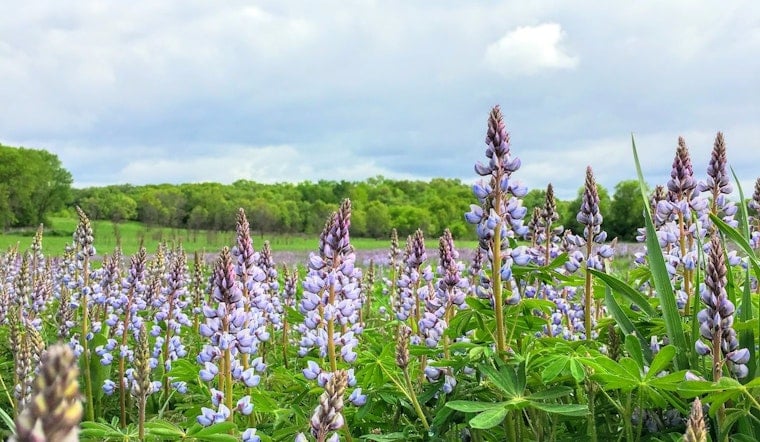
In the ongoing struggle to conserve native species, the case of the Karner blue butterfly in Wisconsin throws the spotlight on the critical importance of plant selection in garden landscaping. According to a recent post by the Wisconsin Department of Natural Resources, these butterflies are laying their eggs on wild lupine, the sole sustenance for their caterpillars. However, this diligent effort by the butterflies could be in vain if they mistake the non-native bigleaf lupine for their native plant ally.
Attempting to right the ship for these butterflies requires public awareness and conscientious gardening. The Wisconsin Department of Natural Resources alerted green-thumbed residents, having the caterpillars hatch without food if their parents lay eggs on the deceptive non-native lupine. "Karner blue butterflies lay their eggs on wild lupine (Lupinus perennis), the only food source for their caterpillars," the department warned, highlighting the hazard posed by the invasive bigleaf lupine (Lupinus polyphyllus).
For those looking to support local wildlife through their horticultural efforts, the department offers clear guidelines: ensure you're planting native wild lupine, also known as sundial lupine. It is distinguishable by its more rounded leaves, comprising 7-11 leaflets, and typically grows up to 2 feet, brandishing lavender-blue and white flowers. These characteristics are key identifiers for the Karner blue caterpillar's survival.
Contrastingly, the non-native lupine boasts more pointed leaflets, counting 12-18 per leaf, looms up to 5 feet tall, and comes in a wider spectrum of hues, including purple, pink, yellow, and white. Those looking to add to their gardens often purchase innocent planting options of these non-natives, potentially contributing to the hybridization with the native species, effectively setting a dinner table for the Karner blue caterpillars without any food on the plates. So, before you plant, make sure to scrutinize the scientific name of the lupine—don't let the non-native types root in your garden.



