

























































The mental agility and responsiveness of military service members are critical to both their safety and success in missions. Dubbed cognitive readiness, this encompasses various functions, such as maintaining balance and making sound decisions under duress. However, the challenge of accurately gauging changes in cognitive performance, particularly those resulting from brain injuries or other operational hazards, persists.
As reported by MIT News, this gap in assessment has led researchers like Christopher Smalt to develop more sensitive tools. Smalt, from the laboratory's Human Health and Performance Systems Group, emphasized, "Current cognitive readiness tests administered to service members lack the sensitivity to detect subtle shifts in cognitive performance that may occur in individuals exposed to operational hazards." This problem is not trivial; since the year 2000, over half a million military personnel have been diagnosed with traumatic brain injuries (TBI).
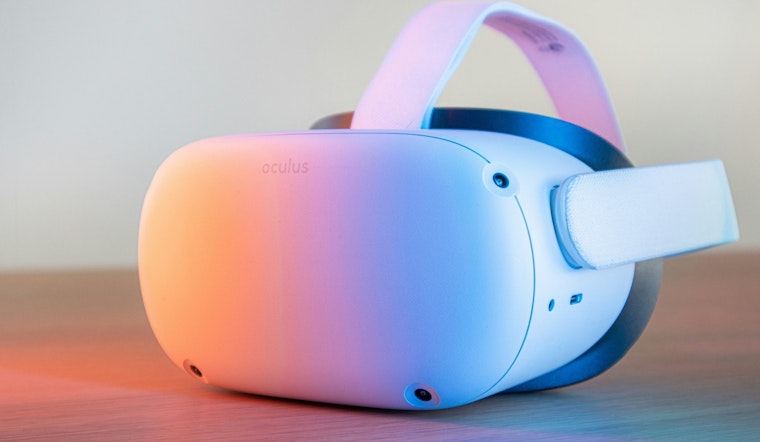
In response to this shortfall, READY and MINDSCAPE are two innovative platforms currently in development. READY is a smartphone or tablet application capable of assessing cognitive performance in less than 90 seconds, providing quick screens for brain health in the field. For those experiencing impairment, MINDSCAPE offers a more thorough VR-based analysis to evaluate specific conditions like TBI or sleep deprivation. Developed by experts at the Lincoln Laboratory, these tools respond to the need for enhanced brain health screening capabilities, encouraged by Congressional mandates and military health needs.
Thomas Quatieri, leading the READY development team, explained the scientific foundation of the tests, "READY stands for Rapid Evaluation of Attention for DutY, and is built on the premise that attention is the key to being 'ready' for a mission." The technology hinges on measurable biomarkers of cognitive readiness, such as balance, eye movement, and speech patterns. READY runs three simple tests gauging these factors, and then algorithms calculate a "wobble" indicator suggestive of the test taker's level of attention.
By leveraging existing mobile and VR technologies, the efficacy of READY and MINDSCAPE is significantly enhanced, allowing for prompt integration and deployment with reduced costs. According to Smalt, "By harnessing the capabilities of commercially available technologies, we can quickly provide valuable insights and improve upon traditional assessment methods." The platforms are scheduled to undergo field testing with military organizations, including the U.S. Army Research Institute of Environmental Medicine, in 2026 to assess the impacts of sleep deprivation.
MINDSCAPE's validity is getting a workout at the Walter Reed National Military Center this year. Concurrently, efforts are underway to see these technologies incorporated into civilian spheres, a prospect that foresights them appearing on sports sidelines and in various clinical settings, meeting a broader need for rapid brain readiness assessment.
The development of READY and MINDSCAPE involves collaborations with notable institutions like the Brain Trauma Foundation and experts such as Jun Maruta and Jam Ghajar, along with support from the likes of Kristin Heaton from USARIEM and Stefanie Kuchinsky from the Walter Reed National Military Medical Center. These partnerships, weaving together expertise from multiple disciplines, are poised to create a more accurate and accessible approach to monitoring and maintaining brain health in high-stakes environments.



