

























































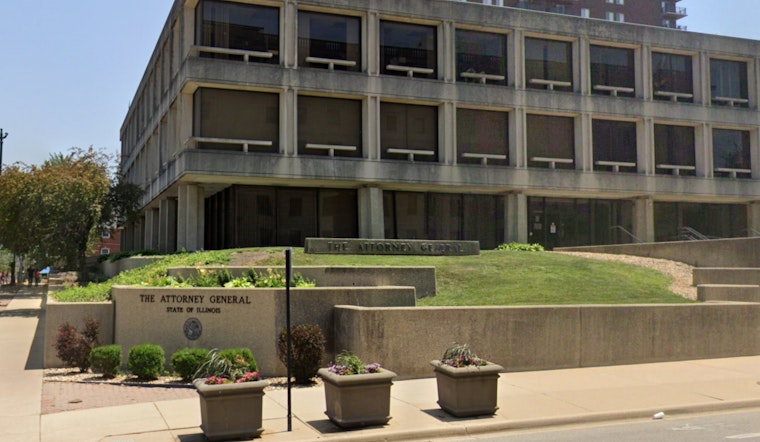
In a bold challenge to federal agencies, Attorney General Kwame Raoul has joined forces with a coalition of 17 other attorneys general to push back against what they consider an unlawful dismantling of critical environmental safeguards. In recently submitted comment letters, they've aimed at proposed final rules that would essentially gut regulations established by the National Environmental Policy Act (NEPA). The controversial rules, set to be implemented immediately, would see an abrupt shift to "non-binding" procedures, replacing longstanding, concrete NEPA regulations—a move the attorneys general argue will not only harm the environment but diminish public involvement in decision-making.
According to a release on the Illinois Attorney General's office website, Raoul lamented the proposal's potential to cause injury to public health and the environment "both within Illinois and nationwide." The NEPA, established in 1969, plays a vital role as it requires an environmental impact review before any major federal action that could significantly affect the environment. Raoul's coalition stresses that the current rollback of NEPA regulations could let polluting projects proceed without a comprehensive evaluation of environmental and health repercussions, directly affecting communities lying in their shadow.
Delivering their grievances to no less than five federal departments, the attorneys general's joint statement underscored how excising indirect and cumulative impacts from NEPA's scope could seed confusion in federal project planning and weaken environmental oversight across the board. This, in turn, could lead to unchecked greenhouse gas emissions inching ever higher, they warn. Furthermore, they assert that the rollback not only breaches the Administrative Procedure Act but could lead to future violations of NEPA itself.
The coalition, which spans the breadth of the country from Arizona to Washington, and includes the likes of California, New York, and Colorado among others, has made it clear that the fight to preserve the integrity of environmental review processes is far from over. Their concerted action, as Raoul states, seeks to ensure that communities retain their right to a voice when it comes to developments that could alter their environment and jeopardize their health. As attorneys general, they exercise their authority to object to policies perceived to be short-sighted in favor of a future where environmental considerations hold their ground against the swell of development.





