

























































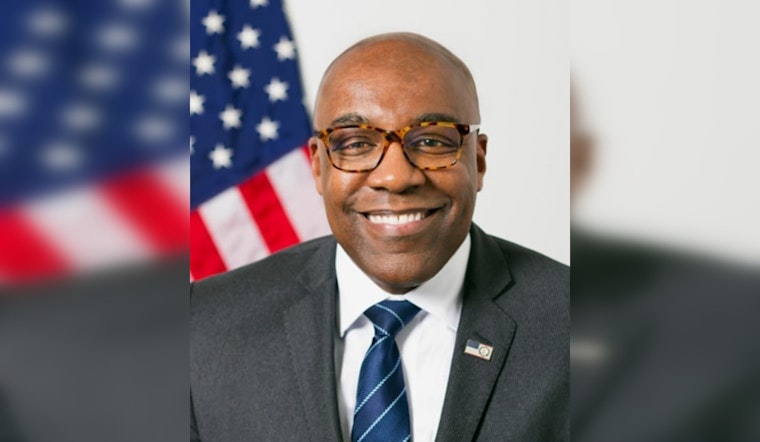
In a significant legal pushback, Attorney General Kwame Raoul, alongside a coalition of 21 state attorneys general and the state of Kentucky, has filed a motion seeking to temporarily halt the Trump administration's USDA from sharing the personal data of SNAP recipients. The contentious action comes as the Trump administration urges states to disclose sensitive information about those participating in the SNAP program, a federal initiative that aids millions with food insecurity. The coalition's motion aims to protect the privacy of these individuals until ongoing litigation can properly address the legality of the USDA's demands.
The SNAP program, crucial for the sustenance of low-income families, is backed by a promise that personal data collected will not be misused. However, the USDA's recent efforts to force states to share extensive data, including Social Security numbers and shopping histories, has not only sparked legal challenges but also raised fears among participants. These concerns over privacy seem to even to have resulted to a drop in enrollment for related food assistance initiatives like the Summer Electronic Benefit Transfer (EBT) program in Illinois, as reported by the state officials. This claim invites contemplation on the potential ripple effects of governmental overreach on public welfare programs.
A statement obtained by Illinois Attorney General's office expounds Attorney General Raoul's stance: "Individuals who provide private personal information to the state to receive critical SNAP benefits do not deserve to be blindsided by having their sensitive data turned over based on the Trump administration’s unlawful and arbitrary demand." Raoul further emphasizes the critical role of SNAP in bolstering not only the families in need but also the local economies that benefit from their patronage.
Last month's lawsuit against the USDA targets the alleged legal overstep and probes the federal privacy laws and constitutional principles at stake. As tension escalates, the Trump administration has threatened to cut nearly $5 million in federal administrative SNAP funding for Illinois alone, a move that could undermine the administration of the program. This punitive measure against the states' resistance is seen as a leveraging tool, one that attempts to bring states into compliance through financial pressure before the courts can thoroughly scrutinize the merits of the case.
The collective legal action represents a diverse group of states, embracing voices from Arizona, California, Colorado, Connecticut, the District of Columbia, Delaware, Hawaii, Maine, Maryland, Massachusetts, Michigan, Minnesota, Nevada, New Jersey, New Mexico, New York, Oregon, Rhode Island, Washington, Wisconsin, and Kentucky. Each state, united in this coalition, stands against the potential violation of public trust and the intrusion on personal privacy, demanding judicial intervention to ensure the rights of the citizens and the integrity of essential public assistance programs are preserved.



