

























































The City of Boston, led by Mayor Michelle Wu and the Boston Public Health Commission (BPHC), is marking International Overdose Awareness Day this Sunday in remembrance of those who have perished due to the opioid epidemic. Sincere condolences have been extended to Bostonians who've faced the loss of loved ones to overdose fatalities, as well as an acknowledgement of the city's continued efforts to bolster access to critical harm reduction services and care as National Recovery Month commences next Monday.
As part of these efforts, the BPHC is reminding residents that the overdose-reversing drug naloxone is widely available and user-friendly. BPHC data indicates a 38% decrease in fatal overdoses in Boston for the year 2024, compared to the previous year – a significant decline that marks the lowest number of overdose deaths since 2015, according to a statement released by the City of Boston. As a symbolic gesture, Boston City Hall will be bathed in purple light on Sunday night.
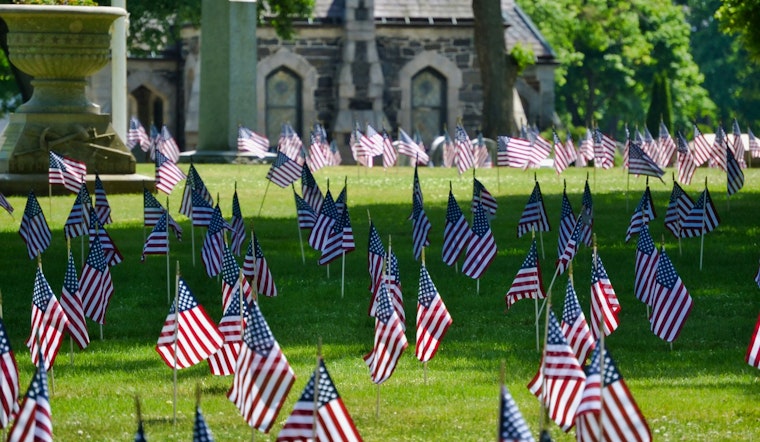
In addition, the BPHC in collaboration with the Boston Parks and Recreation Department is assisting volunteers, and State and local partners in a memorial on Boston Common where over 20,000 purple flags will be planted—each representing a life lost to overdoses in Massachusetts over the last decade. Mayor Wu, in a release by the City, underscored the significance of the gesture: “Today we are honoring the lives lost to fatal overdoses that have touched every corner of Boston’s communities.” She also expressed gratitude for the work being done across the city to diminish stigma and enhance services and treatment. Dr. Bisola Ojikutu, Boston's Commissioner of Public Health, added, “Opioid overdose deaths are tragic, and avoidable,” and she commended the city's progress on reducing fatal overdoses.
In response to the epidemic, amenities such as public health vending machines and naloxone distribution kiosks have been installed at various harm reduction, homeless services, and medical facilities citywide. Just this month, two new public health vending machines were deployed – with East Boston receiving the city's first outdoor machine. These efforts are part of Boston's Overdose Data to Action (OD2A) program, which aims to streamline access to essential support for those battling substance-use disorder. Late last year, five community organizations were beneficiaries of $1 million in grants for overdose prevention and outreach in high-risk neighborhoods. From January to June 2025, these agencies engaged with over 1,200 clients and disseminated more than 2,100 doses of naloxone, per the City of Boston’s report.
Amidst the solemn remembrance, the city also prepares for a series of positive events to celebrate National Recovery Month. These include a cookout at Franklin Park, an arts and health resources event at the Roxbury Branch of the Boston Public Library, and a celebration day on the Boston Common, emphasizing the successes and journeys of individuals in recovery. More details and a full calendar of the month's events sponsored by BPHC partners are available through the city's website. BPHC's AHOPE and PAATHS programs continue to play a crucial role in facilitating harm reduction and treatment connections, with AHOPE focusing on services like syringe exchange and naloxone distribution, while PAATHS supports those seeking a variety of treatments for substance use disorders, including detox and medication for opioid use disorder.



