

























































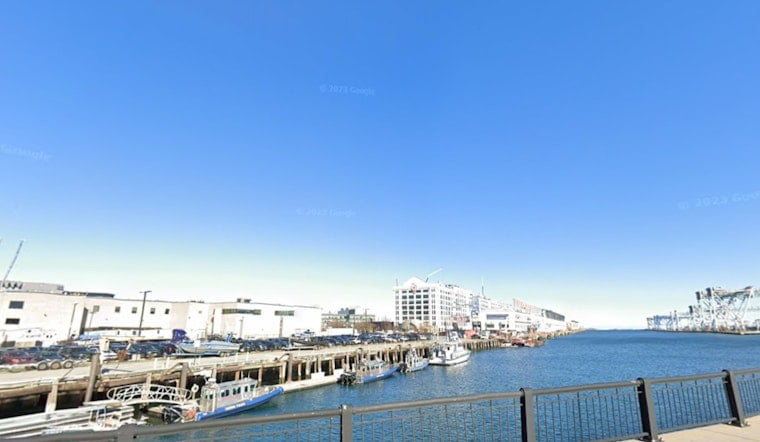
Boston's Seaport District and North Station are now connected by a new commuter ferry service, in a move celebrated by Mayor Michelle Wu and numerous city and state partners. The service, initiated at Pier 10 in the Raymond L. Flynn Marine Park, promises to ease traffic congestion and provide an alternative mode of transport for commuters making the journey across the harbor.
On the financial side, the construction of the new ferry stop, which rounded up at $2.5 million, was covered by Boston's coffers through its five-year capital plan, joined by funds from the Boston Planning & Development Agency (BPDA). The Seaport Transportation Management Association (TMA) bagged a MassDOT grant safeguarding the first two years of service, with additional funding fed by annual contributions from several private sector entities.
Public and private collaboration was a key theme in making this transit option a reality, noted Mayor Michelle Wu in a statement obtained by the City of Boston's news release. "This new commuter ferry stop at Pier 10 in the Raymond L. Flynn Marine Park builds on our administration’s efforts to give residents more options to get around safely while making significant investments that better connect our communities," Wu articulated.
Massachusetts Department of Transportation (MassDOT) Secretary and CEO Monica Tibbits-Nutt underlined the project’s alignment with the state administration's goals. She lauds the new service for reinforcing "a more robust water transportation system." Alongside convenience for travelers, this enhanced water route takes a stride towards meeting economic and environmentally friendly objectives.
Vertex Pharmaceuticals, among the funding companies, appreciates the new service for the commuting convenience it offers. This sentiment is mirrored across the board by corporate stakeholders and city representatives. The service, with a ticket priced at five bucks, kicked off operations in June, providing morning and evening commutes from Monday to Friday, and is free for employees and tenants of the contributing companies. The promise of connected communities around the Boston waterfront, and the fostering of accessible public transit in the complexity of city life, finds in this new ferry service an optimistic chapter.




