

























































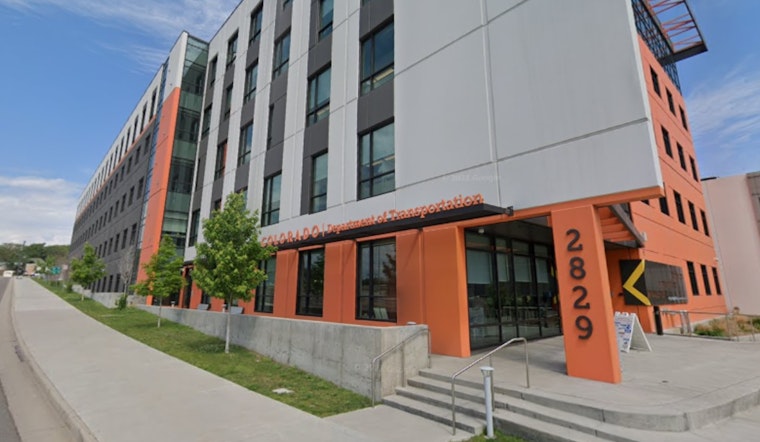
With the Colorado Department of Transportation's annual Traffic Safety Summit on the horizon, fresh statistics from the 2025 Driver Behavior Report have emerged, shedding light on the shifting patterns of Colorado drivers. The Summit, which gathers over 340 industry experts and advocates in Breckenridge this week, aims to translate these findings into actionable road safety strategies.
The report, launched one day before the Summit, outlines both achievements and persisting concerns, the number of unsafe driving behaviors per Colorado driver fell for a consecutive year, now at 1.19 in 2025; despite this, a notable one-third of drivers still clock speeds over the limit on highways, CDOT's Executive Director Shoshana Lew voiced that the Traffic Safety Summit is an essential platform for converting data into decisive safety measures, and CDOT's Office of Transportation Safety Director Darrell Lingk emphasized the study's value in shaping targeted education for driver safety.
The survey examined a variety of driving habits, with 1,695 individuals from 61 Colorado counties participating and indicating a 90% consistent seat belt usage among drivers. However, certain groups, like those under the age of 45, without a college degree, or male drivers, were less inclined to regularly buckle up, according to CDOT. In the realm of distracted driving, there's been a decrease in phone usage for calls and texts while behind the wheel, with 34% admitting to making calls and 23% to messaging, down from 42% and 30% the previous year, respectively.
Impairment while driving remains an area of concern, with 21% of drivers acknowledging driving within two hours of consuming alcohol, cannabis, or impairing prescriptions, this figure mirrors last year's stats but shows a significant drop from 28% in 2023, and on the topic of cannabis, 36% of consumers considered themselves capable of driving safely post-use, while motorcycle safety saw a slight uptick in helmet noncompliance, jumping to 13% in 2025 from 4% in 2023, as per CDOT.
With a high awareness of Colorado's 'hands-free' law among 91% of drivers, and familiarity with other road safety regulations, the report offers a mixed view of the state's traffic situation. Despite notable progress, such as an 11% reduction in traffic fatalities this year, the data clearly shows there's more work ahead, efforts that will likely be honed during the upcoming Summit discussions.





