

























































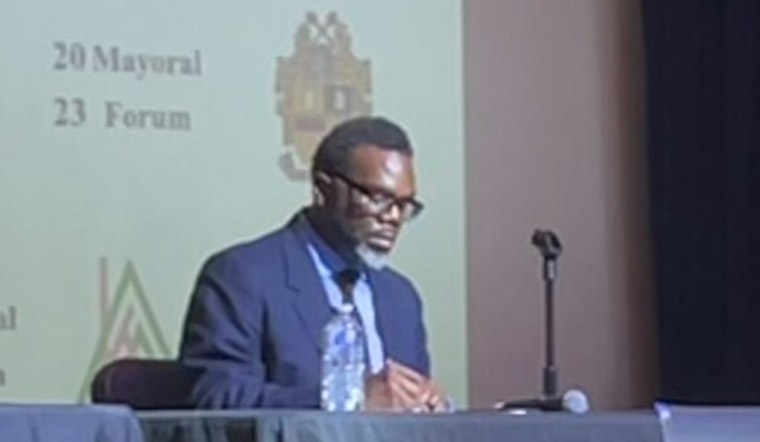
Amidst a backdrop of booming airport activity and a bustling tourism industry, Chicago Mayor Brandon Johnson is pushing a narrative of being both "pro-business" and "pro-worker," leveraging impressive travel statistics as evidence. Mayor Johnson pointed to the summertime surge at O'Hare Airport, where seven of the ten busiest days on record graced this past summer, as reported by The Chicago Sun-Times. The zenith came on June 20, when nearly 116,000 passengers swarmed the checkpoints, setting a new single-day screening record.
The narrative extends to the skies, with O'Hare handling 407,000 takeoffs and landings in the first half of that year, a 10.4% leap from the year prior. This uptick even propelled O'Hare ahead of Hartsfield-Jackson Atlanta International Airport, which held the title of the world's busiest in 2024. Aviation Commissioner Michael McMurray celebrated the potential resurgence, saying, "O'Hare may be on a track to reclaim that title for the first time since 2019." With hotel tax revenue burgeoning at $157 million last year and on track to exceed those numbers, Johnson firmly believes in the city's love-at-first-sight potential for its myriad visitors, according to the same Sun-Times article.
Johnson, however, did not sidestep the gravity of the city's fiscal challenges. Confronting a daunting $1.12 billion city budget shortfall, he acknowledged that urgent, progressive revenue solutions are necessary, stating, "Everyone knows what, you know, my commitment is to progressive revenue. I can't do this by myself," as he told CBS News Chicago. His call for shared responsibility, targeting the wealthy and businesses, comes with the claim that such measures will not dampen the momentum of the city's economic growth. Chicagoland Chamber of Commerce President Jack Lavin countered these sentiments, suggesting that such taxes could hinder the city's recovery.
Even with the financial challenges casting a long shadow over the Windy City, Johnson remains unwaveringly committed to alternative revenue streams without further burdening property taxes, which the City Council notoriously rejected for 2025. Johnson envisions targeting Chicago's ultra-rich, including the 127,000 millionaires and 25 billionaires presently within city limits, with innovative measures such as a corporate head tax and a social media ad tax, according to CBS News Chicago. With these strategies, Johnson aims to bolster the city’s financial health while maintaining its thriving travel and tourism sectors.



