

























































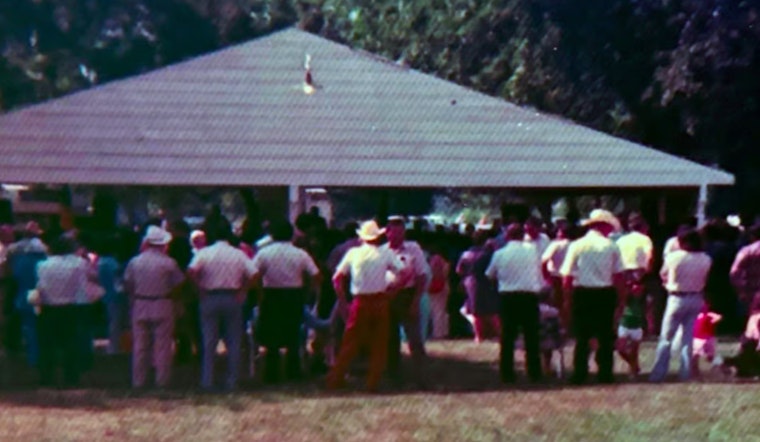
In celebration of a vital tradition, the Choctaw Nation is ready to commemorate the 50-year anniversary of the Tvshkahomma Capitol Museum during the upcoming Labor Day Festival. This year's festival not only marks a significant milestone for the community but continues to build on a rich history of cultural preservation and political discourse that traces back to the mid-20th century. The original Labor Day gatherings, described extensively in a series by Iti Fabvssa, began under Chief Harry Belvin's stewardship, with a goal of fostering inter-tribal unity and addressing pivotal issues regarding land sovereignty.
According to historical accounts, the festival has its roots in the 1938 reconstruction of the Choctaw Capitol Building. It was a time when Choctaw and Chickasaw leaders sought to discuss matters of tribal importance, particularly those surrounding coal and asphalt lands, outside the bureaucracy of the Bureau of Indian Affairs. Initially spanning just a day, the event extended over a full weekend as attendance grew, with musical performances and barbecue meals featured alongside political discussions. As stated by Iti Fabvssa, Chief Belvin hoped to gather more people, and therefore extended it from a single day to the entire weekend in subsequent years.
Over time, the Choctaw-Chickasaw Labor Day Meet would evolve, shortening its name as the Chickasaw Nation established its own annual events. These meetings were not mere gatherings but crucibles of historic decisions such as the affirmation of Chief Harry Belvin's election in 1952 and the creation of the Public Housing Authority in 1965. These festivals were not only a testament to cultural vigor but also to the political will and organizational strength of the Choctaw community. As the event grew, so did its duration, eventually covering three days by the late 1970s and adding a Friday opening by the mid-1980s.
With the diversification of offerings, the Labor Day Festival has embraced modernity while cherishing its origins. The conversion of the Choctaw Capitol Building into a museum was a significant cultural undertaking, dedicated during the 1975 festival, highlighted by the transition from the Belvin Administration to the Gardner Administration. Today, the event is a true cultural mosaic featuring carnival rides, musical performances, and inter-tribal stickball games – an evolution that introduces the traditions and struggles of the past to the broader tapestry of the present, as chronicled by Iti Fabvssa.





