

























































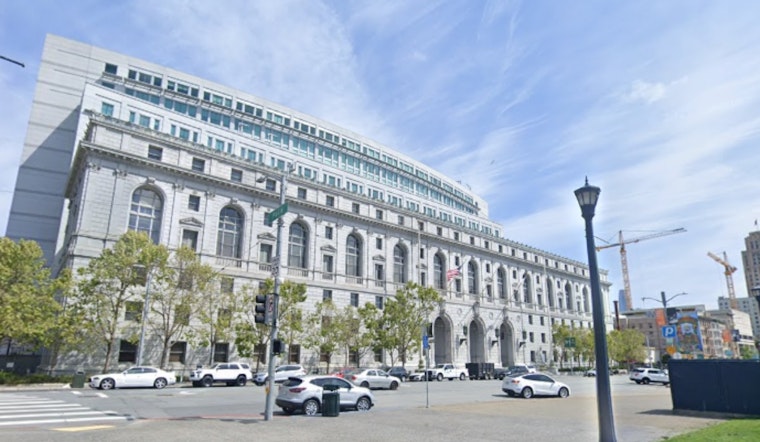
Chula Vista is once again at the helm of a legal predicament, grappling with the delicate balance between transparency in law enforcement and individual privacy rights. Last Monday, the Chula Vista City Council decided to pursue further legal scrutiny from the California Supreme Court concerning a San Diego Superior Court ruling in May 2025. The city contends that the decision may err and pose a problem with current laws regarding the disclosure of private information held by law enforcement agencies. This case stems from a request for drone footage under the California Public Records Act, where the City denied access, citing potential privacy violations and intensive resource demands for video redaction. The City's official stance, captured on Chula Vista's website, emphasizes the drones' role in boosting police service response with an eye always turned to community privacy concerns.
In the ongoing saga, Chula Vista's reasoning to not simply comply with the request revolves around the intense labor and cost of redacting a month's worth of drone footage, which would severely strain city resources. According to the city's calculations, fulfilling this one Public Records Act request would consume approximately 229 full workdays – nearly an entire year's labor for a full-time employee. Furthermore, the city is attempting to protect a policing tool they hold in high regard, the Drone as First Responder program. They argue that releasing unredacted footage could inadvertently infringe individual privacy rights and undermine the program's integrity.
The city has consistently sought to maintain a sense of openness through various means, such as making available a substantial body of data about the Drone Program on their website. Moreover, public tours, comprehensive policies, and compliance with information disclosure required by the Public Records Act further underscore their stance on accountability. Nevertheless, the complexities that new technologies introduce into legal frameworks persist, and the city's quest for clarity is ongoing. In December 2023, the Court of Appeal for the State of California had directed the case to return to the Superior Court for "further proceedings," without mandating the release of any videos, as stated on Chula Vista's official statement.
Following the appellate court's remand, in May 2025, the Superior Court issued a ruling requiring the City to disclose about 24 videos, with necessary redactions to shield private details of the individuals involved. The city, however, remains unconvinced and has chosen to appeal once again to secure definitive guidelines on when drone footage disclosure is appropriate under California law. Chula Vista asserts that its overall intention is to safeguard the privacy of its residents and ensure the continued trust in and efficacy of its Drone Program.





