

























































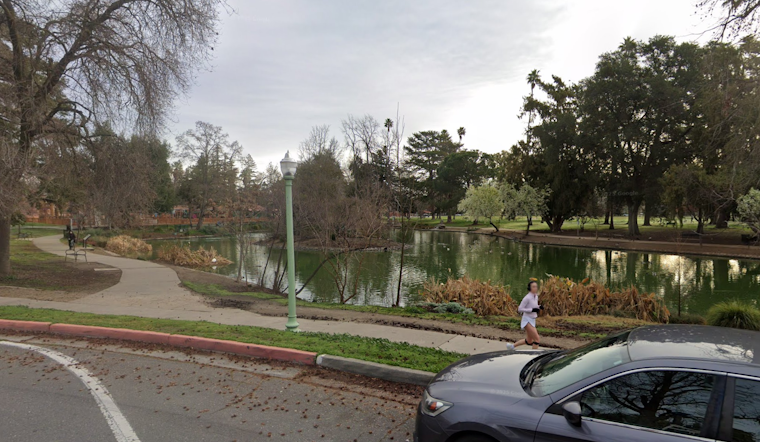
Dead fish have been spotted floating in McKinley Park's beloved pond, raising concerns among East Sacramento residents about the health of the 123-year-old park's iconic water feature during another brutal summer heat wave.
According to FOX40, many Sacramento residents raised concern about the dozens of dead fish floating in the McKinley Park Pond. The incident highlights ongoing challenges with maintaining aquatic ecosystems in urban parks during increasingly intense California summers.
The fish die-off appears to be heat-related, as warmer water holds less dissolved oxygen—a critical factor for fish survival. According to Pond Informer, once water exceeds approximately 85 degrees Fahrenheit, dissolved oxygen levels drop below 5 parts per million, while most fish species need 7 ppm or higher to thrive.
A Troubling Pattern Emerges
This isn't McKinley Park's first aquatic mortality crisis. In 2014, wildlife advocate Judy McClaver witnessed a similar incident when FOX40 reported she noticed city maintenance workers starting to lower the pond on Monday, and by Thursday, she saw at least 50 dead turtles and fish floating on the surface. McClaver attributed that incident to "the heat for the last couple of days, the no water issue" and poor timing by city officials.
More recently in 2020, toxic algae posed additional threats to the pond's ecosystem. As FOX40 reported, McClaver explained that "as the pond warms up, more of this algae grows," creating dangerous conditions for fish and waterfowl.
Regional Context and Similar Incidents
McKinley Park isn't alone in facing summer fish mortality. Last year, ABC10 reported that about 300 fish died at North Natomas Regional Park in a storm water retention basin, with a majority being carp and other species. Staff testing revealed "very low levels of dissolved oxygen were present," mirroring conditions likely responsible for the McKinley incident.
The broader implications extend beyond visible fish mortality. According to FOX40, fish in the pond help control mosquito populations, making their health crucial for preventing West Nile virus—especially relevant given that two crows in the park previously tested positive for the disease.
Management Challenges and Community Oversight
City officials defend their pond maintenance practices, with representatives telling FOX40 that lowering water is part of a biannual maintenance procedure to clean the filtration system. The process occurs every six to eight months, involving lowering water levels six to eight inches and shutting off systems for 24 hours, typically resulting in the loss of "about a dozen fish out of the hundreds in the pond."
Community advocate Judy McClaver, described by FOX40 as a volunteer member of the McKinley Park Pond Advisory Board and retired medical worker who "knows her science," continues monitoring the water body's health and raising concerns about management timing and procedures.
Historical Significance and Modern Challenges
McKinley Park's manmade pond has served Sacramento families since the early 1900s, complete with a wood bridge for recreational angling. According to Comstock's Magazine, the water feature was part of what was originally called Lake Keisel, named after Frederick Keisel, son of a Sacramento Street Railway Company owner.
The park has faced contamination issues over the decades, with Comstock's Magazine noting that water contamination was largely caused by people dumping unwanted turtle pets (red-eared sliders) into the pond, creating what one former city councilman described as a "toxic soup."
Despite these challenges, McKinley Park remains Sacramento's highest-rated park with 4.5 stars out of 231 reviews on Yelp, serving as a critical green space for the community. As climate change continues intensifying California's heat waves, the recent fish die-off underscores the growing challenge of maintaining healthy urban aquatic ecosystems for future generations.



