

























































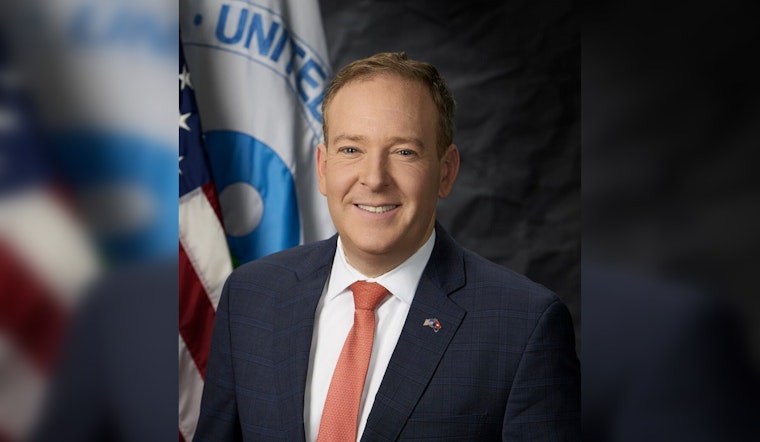
The Environmental Protection Agency, under the leadership of Administrator Lee Zeldin, has introduced a proposal that aims to eliminate the federal government's ability to regulate pollution tied to climate change, specifically by targeting the "Endangerment Finding." This scientific legal decision, which has been the underpinning of key environmental protections since 2009, acknowledges the threat of greenhouse gases and climate change to public health and welfare, as reported by WWLP.
As a result of the proposed overturn, numerous regulations that curtail emissions from a range of sources including vehicles, power plants, and factories could be undone, drawing criticism from officials and environmental advocates in New York. Despite the policy's potential fallout, Zeldin hailed the proposal as the "greatest day of deregulation our nation has seen," according to a statement obtained by Gothamist. A former New York congressmember, Zeldin contends that such changes will save American consumers at least $1 trillion in costs.
On the other side, the potential impacts of the EPA's policy reversal have raised alarms about public health risks in New York State, where efforts to curb greenhouse gas emissions may be severely impeded. Amanda Lefton, Commissioner of New York State Department of Environmental Conservation, warned of significant health impacts, including "heightened risks for asthma, cardiovascular disease and other respiratory ailments," in a statement to Gothamist. This could also affect New York's strides towards its 2019 climate law requirements, which involve phasing out gas vehicles by 2035 and achieving greenhouse gas emissions reductions of 85% by 2050.
Alongside the public health concerns, New York stands to lose on the fronts of energy transition and transportation emissions regulation. Vehicle manufacturers, for instance, would no longer be constrained by limits on greenhouse gas emissions–effectively dismantling the state's climate goals that necessitate a reduction in transportation-related emissions, which account for a significant one-third of New York's climate pollution, according to reports from Gothamist.
New York officials and environmental groups have been vocal in their opposition to the proposed rollbacks. U.S. Congressmember Paul Tonko criticized the Trump administration for embarking on what he called a "dangerous ideological campaign to erase climate science," as noted in an interview with WWLP. Meanwhile, environmental group Environmental Advocates NY has called the action an assault on climate regulations, with Executive Director Vanessa Fajans-Turner saying it would be a "betrayal of our future" to enhance the interests of fossil fuel corporations at the expense of public health and safety regulations.
The EPA is scheduled to accept public comments on the new policy proposals until September 15. Legal experts, such as Michael Gerrard of Columbia Law School, anticipate that the rule changes are not likely to be finalized until 2027 and expect them to face multiple lawsuits.





