

























































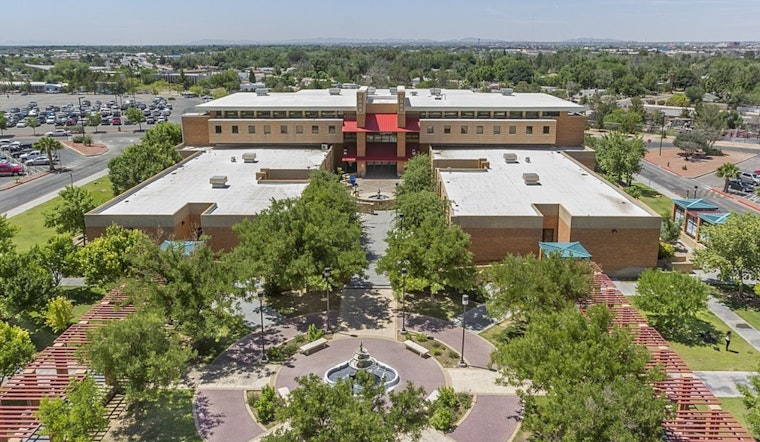
The Valle Verde campus was bustling with activity as the EPCC | UTEP Engineering Academy prepared to welcome its second cohort. During a co-enrollment information and registration session, both new and returning students gathered to learn more about the unique dual-enrollment opportunity that bridges El Paso Community College (EPCC) and the University of Texas at El Paso (UTEP). Aspiring civil, industrial, materials, electrical, and mechanical engineers can now seamlessly chart their path from an associate to a bachelor's degree through this innovative program in its sophomore year.
With an aligned curriculum, the EPCC | UTEP Engineering Academy ensures that students maximize the academic resources at both institutions. The second cohort saw an attendance that doubled over the first, with over 20 students eager to enroll, according to EPCC News. The previous cohort, consisting of 10 students, also turned up to support their juniors. Peer mentor and first cohort student, Lorenzo Flores, shared his experience with attendees. "I'm a little nervous serving as a peer mentor, but I am happy to tell them of my experience and ready to help and impart to them that I think setting schedules is the most important thing," Flores told EPCC News.
Mireya Holguin-Serrano, a new addition to the Engineering Academy's second cohort, was drawn to the program's promise of smaller class sizes and individual attention. "My sister is also an engineer, and when I was getting advice, she spoke to me a lot about this opportunity with smaller classes and individualized attention at EPCC which intrigued me," Holguin-Serrano recounted in an interview with EPCC News. "This is perfect fit for my major, along with dual enrollment at both institutions, and what I want to do." The Academy not only focuses on academic alignment but also offers math enrichment bootcamps, financial aid, scholarships, and a plethora of extracurricular activities aimed at career preparation.
Rebecca Escamilla, EPCC Valle Verde Dean of Architecture, Art, Math, and Science, notes the success of the cohort model. Students appreciated the structured schedule and camaraderie that came with being part of a close-knit group. "They loved being with their peers, resonated with the first-year students of working with fellow students," Escamilla commented to EPCC News. Moving forward, while flexibility will be key to accommodate varying class sizes and schedules, the Engineering Academy intends to maintain its supportive community dynamic. The strong partnership between EPCC and UTEP is expected to further enhance as the program develops.





