

























































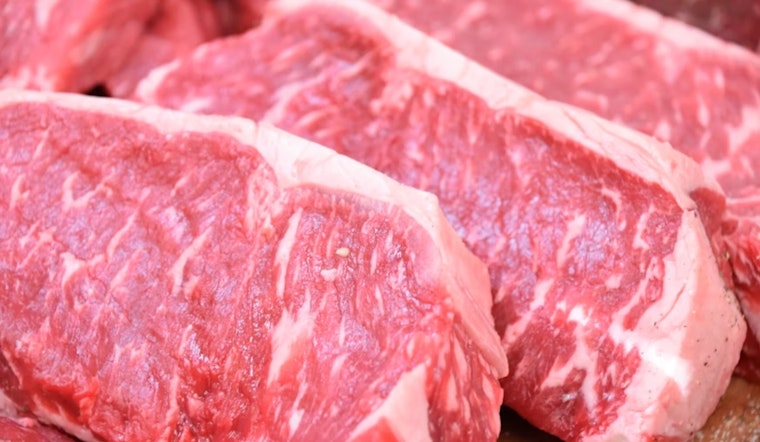
A conversation with Gary Painter, PhD, a notable economics expert, shed some light on the issue for WLWT. A reduction in cattle numbers, Painter explained. "It's shrinking supply and therefore that would put upward pressure on prices as well," he told WLWT via UC News. To put it simply, fewer cows mean higher costs when it comes to your beefy favourites.
But don't hang your cowboy hat on that explanation just yet. Trade policies have also been culprits in the rising cost of your steak dinner. Particularly, a 50% hike on beef imports from Brazil—a major provider to the U.S. market. "We saw that the Trump administration put a 50% tariff on Brazil... It turns out we actually import a lot of beef from Brazil," said Painter in the same interview with WLWT, as noted by UC News. Whether this political move was a rare steak or well done, consumers are feeling the burn.
So, next time you grumble at the grocery store, remember—it's not just inflation eating into your meat budget. It's a concoction of shrinking supply and the lasting effects of tariffs carving into the market, making that beef expensive. As for any relief on the horizon, experts like Painter keep their assessments grounded in the ebb and flow of supply chain and trade policy. Until there's a shift there, your BBQ may have to feature more beans than brisket.
Concerned carnivores may want to keep an eye on how the situation unfolds. Policies shift and markets adjust, but for the time being, those looking to indulge in a prime cut will need to stomach the cost. As Painter highlighted, trade decisions from years past are still chewing through our wallets today. So, maybe now's a good time to explore those veggie recipes you've been ignoring – for your palate and your pocket's sake.





