

























































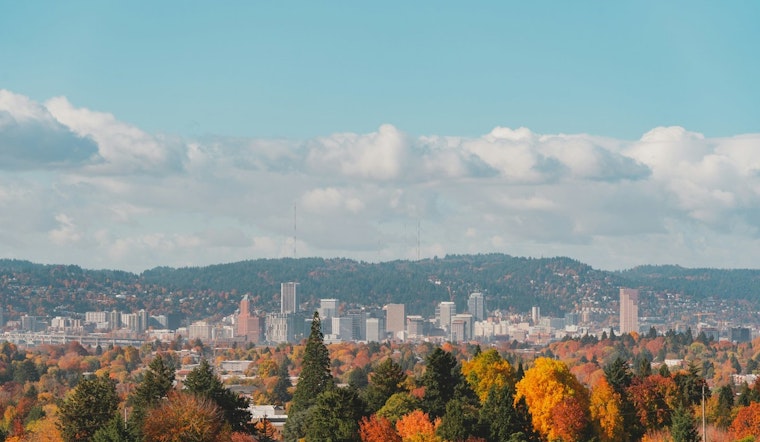
As the mercury skyrockets, the National Weather Service in Portland has issued an extreme heat warning for a swathe of the Pacific Northwest, reminding residents of the stark reality of climate trends. With temperatures predicted to soar as high as 97 to 105 degrees through Tuesday, urban and suburban communities including Greater Portland/Vancouver Metro, and stretching across Western and Central Columbia River Gorge, are bracing for the incoming heat wave.
Spanning from noon today until 10 PM PDT Tuesday, the warning emphasizes the heightened risk of heat-related illnesses. This is a serious environmental ordeal, and the weather service's message is clear, "Drink plenty of fluids, stay in a cool place during the heat of the day, stay out of the sunshine, and check up on relatives and neighbors." The forecast not only suggests sweltering daytime highs, but also mild overnight lows hovering between 64 and 70 degrees, providing little respite from the heat.
The scope of this extreme heat is significant, affecting a broad stretch of communities beyond the urban heart of Portland. These include the Corbett area and the Hood River Valley, Central and Southern Willamette Valley, and Foothills of the Northern and Central Oregon Cascades. Residents in these areas are urged to take precautionary and preparedness actions, such as using fans, keeping windows shut during peak heat hours, and opening them at night to aid cooling, unless compromised by wildfire smoke.
Highlighting the urgency, the heat advisory also includes a stern warning against leaving children or pets in parked cars, where temperatures can become lethal within minutes. The message is built on a foundation of common sense, but in the throes of an extreme temperature event, the implications are tragic, and yet preventable. For those interested in tracking the climb of the thermometer and the potential relief of cooler temperatures after Tuesday's peak, visit the National Weather Service's website for the latest updates and forecasts.





