

























































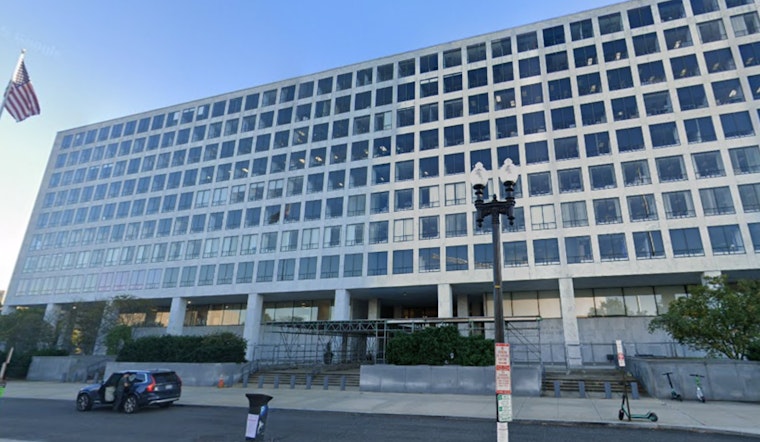
The skies are getting busier, and the folks at the Federal Aviation Administration (FAA) are gearing up to keep pace with the traffic. U.S. Transportation Secretary Sean P. Duffy has revealed plans, laying out the FAA’s steps to recruit and prepare the sharpest minds to lead air traffic control and aviation safety into a new era. This push is driven by a need to adapt to innovations in aviation, such as electric and hybrid aircraft, a growing number of drones, the advent of commercial space travel, and tech advancements like artificial intelligence, the U.S. Department of Transportation announced.
In terms of numbers, the FAA’s Air Traffic Controller Workforce Plan is set to bring on board no less than 8,900 new air traffic controllers through to 2028 – including a 2,000-strong induction in 2025. The Aviation Safety Workforce Plan has its eyes set on approximately 4,600 safety inspectors and engineers through to 2034. “Under President Trump’s leadership, the USDOT isn’t just solving today’s problems. By looking ahead and planning for the future of transportation, we can ensure America remains the global aerospace leader,” Duffy stated, signalling a proactive step into what he dubs a "Golden Age of travel."
FAA Administrator Bryan Bedford reinforced this sentiment, stressing the dynamic changes in the aviation ecosystem and the necessity for adaptation. He emphasized that success hinges on a workforce of skilled and dedicated air traffic controllers and aviation safety inspectors, and that scaling up this workforce is a top priority for the FAA. In a movement that turns the tide on traditionally slow bureaucratic processes, a supercharged hiring initiative in March led to more than 8,320 candidates being referred for the controller aptitude exam, a stark acceleration from the over-a-year wait it used to take to step into the FAA Academy.
May's announcements by Secretary Duffy added further momentum with measures to boost the air traffic control workforce. Incentives, rewards for graduates moving into more challenging stations, expedited medical and security clearances, and a year-round hiring track all aim to energize recruitment and training. Additionally, the FAA is enrolling full classes at its Academy, increasing classroom capacity and broadening the Enhanced Air Traffic – Collegiate Training Initiative. A technical upgrade, with new Tower Simulation Systems at 95 facilities, promises to cut training times by up to 27 percent.
On the aviation safety front, the role of employees in the FAA’s Aviation Safety (AVS) division is critical. They're tasked with ensuring adherence to safety regulations, incident investigation, aircraft and personnel certification, gear and avionics compliance, and running medical programs. Keeping in step with rapid technological advancements, the FAA's hiring strategy for this sector includes on-the-spot hiring authority for safety inspectors and engineers, as well as relocation and premium pay incentives for hard-to-fill roles. Such initiatives showcase the FAA’s drive to secure a future-proof cadre of aviation professionals equipped to handle the evolving demands of a high-stakes industry.





