

























































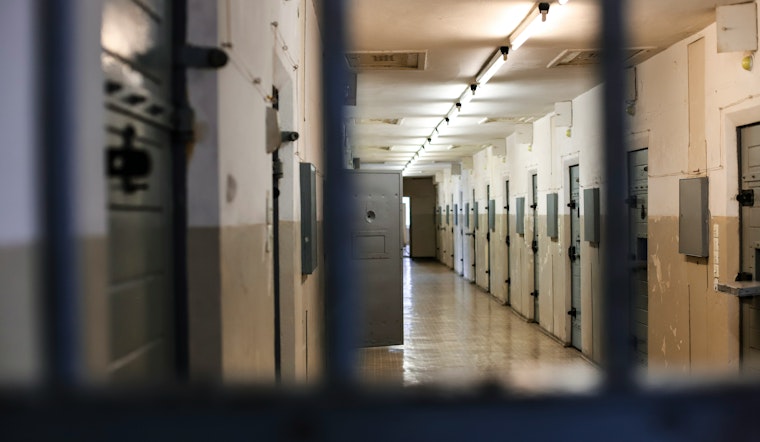
The Nevada Department of Corrections is implementing emergency security measures after five inmates under 40 died in homicides at two Southern Nevada prisons over a three-week period, marking an unprecedented wave of violence that officials suspect is linked to drug debt.
The deadly spree began July 16 when Las Vegas Review-Journal reported Jacob Herman, 35, died at High Desert State Prison. Jordan Canteberry, 34, was pronounced dead at the same facility ten days later, according to state corrections officials.
Violence escalated in August with three more deaths. Dmarea Wallace, 18, died at High Desert on August 6, followed by Ryan Warren-Hunt, 35, at nearby Southern Desert Correctional Center on Monday. A fifth victim, Ronnie Owens, 32, was pronounced dead at High Desert on Friday, with KTNV reporting an anonymous source said Owens was stabbed.
Drug Debt Fuels Violence
Nevada Department of Corrections officials aren't remaining silent about the underlying causes. According to Las Vegas Review-Journal, officials "suspect drug debt is an exacerbating factor" in the deaths. All deaths are being investigated as homicides, the department confirmed.
Director James Dzurenda is consulting outside experts to help "curtail the influx of contraband and illegal substances" into the facilities. As reported by Las Vegas Review-Journal, Dzurenda said "We can't rely on our traditional operation plans alone. We have to do something that's unique."
Emergency Security Measures
Both facilities have implemented enhanced surveillance and restricted inmate movement. Las Vegas Review-Journal reports that beginning Tuesday, surveillance and staff operations were increased to "reduce the number of offenders outside their cells at one time."
The facilities are located in Indian Springs, about 40 miles northwest of Las Vegas, making them geographically isolated from immediate outside support. High Desert State Prison, opened in 2000, is the largest institution in the Nevada Department of Corrections system with a capacity of 4,176.
Recent Security Overhaul Fails to Prevent Violence
The deaths occurred despite a major security transformation last year. According to Hoodline, High Desert now functions as a maximum-security facility while Ely has been downgraded to medium-security, following violence at Ely State Prison that resulted in three inmate deaths.
The facility upgrade was designed to house the state's highest-risk offenders where staffing levels are greater and the institution is closer to law enforcement and medical services. Since September 2024, the men's death row has been located at High Desert State Prison.
Systemic Safety Problems
These recent homicides represent the latest in a troubling pattern across Nevada's correctional system. Earlier this year, Las Vegas Review-Journal reported the Nevada Department of Corrections announced five inmate deaths in February, including three convicted murderers, with two inmates dying within a day of each other at Northern Nevada prison.
Health and safety violations have also plagued the system. Hoodline previously reported that recent inspections revealed live and dead cockroaches in food storage areas at High Desert State Prison, while Northern Nevada Correctional Center was operating under unsafe conditions involving the culinary wastewater plumbing system.
State Response
Governor Joe Lombardo has acknowledged the severity of the crisis. In a statement to KTNV, Lombardo said "Unfortunately, there has been a rash of violent acts within the prison system across the board, not just one particular facility and it's the job of the administrators and the leadership within that environment to address those."
As investigations continue into these five deaths, the Nevada Department of Corrections faces mounting pressure to demonstrate that its emergency security measures can restore order to facilities designed to be among the most secure in the state system. The agency has committed to ongoing evaluation and response, but questions remain whether these promises can prevent further bloodshed in Nevada's desert prisons.





