

























































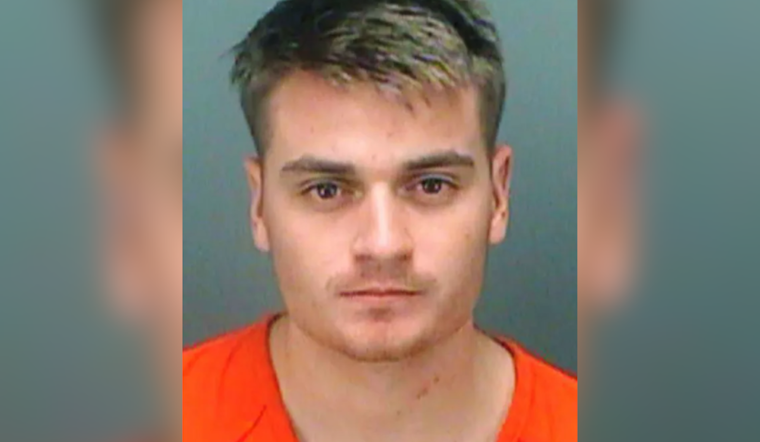
A Florida man named Brandon Russell has been sentenced to 20 years in federal prison for plotting to destroy the Baltimore power grid. According to FOX Baltimore, Russell, 30, aimed to attack multiple electrical substations in the Baltimore area to cause blackouts and chaos. Following his prison term, Russell will be placed on a lifetime of supervised release.
The sentencing was the result of a conspiracy that occurred between late 2022 and February 2023, involving Russell and 37-year-old Sarah Clendaniel from Catonsville, Maryland. Their plot, if successful, would have potentially left the city without power and incurred damages of over $75 million. Clendaniel has already been sentenced to 18 years in prison for her role in the scheme, complemented by a lifetime of supervised release. Kelly O. Hayes, U.S. Attorney for the District of Maryland, described Russell's actions as being informed by hatred and posing an ongoing threat to public safety.
Separately, CBS News Baltimore reported that Russell was described by Baltimore District Court Judge James K. Bredar as "the brains" behind the plan. Bredar sentenced him to the maximum 20 years and called him "profoundly dangerous," to "engender terror, fear, and chaos." Russell, who previously served a five-year sentence for possession of explosive materials and a framed picture of Timothy McVeigh, was accused of not showing any remorse or seeking reform while in custody, but rather, he continued to delve deeper into his extremist ideology.
Russell's lawyer, Ian Goldstein, conveyed his expectation for the harsh sentence by saying, "With the guidelines being what they are, yes, we were prepared for this." However, Goldstein argued that his client, who never actually went to Maryland, was not as culpable as Clendaniel, who was ready to carry out the attack. "He's always been very nice to me," Goldstein remarked regarding Russell's demeanor. Despite a previous relationship with Clendaniel that included a shared interest in white supremacist ideologies, and Russell's ongoing creation of neo-Nazi art and propaganda in jail, Goldstein refrained from labeling his client as a neo-Nazi, instead opting to "just call him Brandon."
Russell's grandmother, Molly Russell, was among family members who pleaded for leniency during the proceedings. Judge Bredar stated that the extremist views presented weren't reflective of the grandson she knew, and she earnestly doubted he would commit the crimes for which he was convicted.





