

























































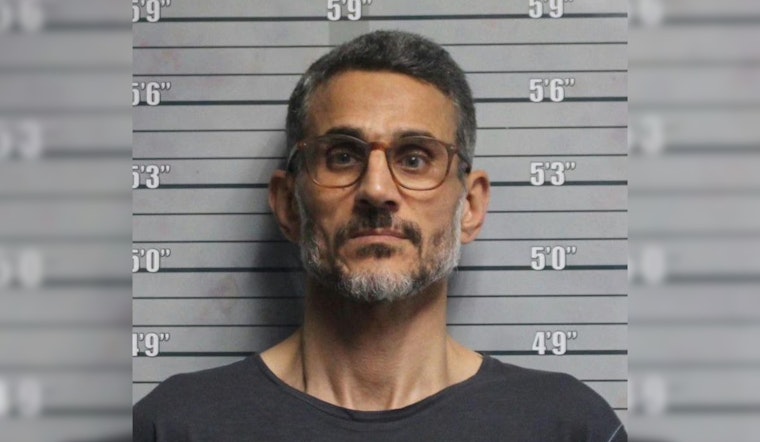
Imam Ayman Soliman, formerly a chaplain at Cincinnati Children's Hospital, remains held by immigration officials and is now asserting that his civil rights were breached due to a stint in solitary confinement at Butler County Jail, a claim that arose amid scrutiny over the nation's immigration policy. According to The Cincinnati Enquirer, Soliman's new lawsuit alleges he was unjustly isolated from August 2 to 5, impeding access to legal counsel and violating Ohio laws that mandate two hours outside the cell daily.
A dispute over prayer location apparently triggered the solitary confinement; Soliman requested to lead prayer in a certain jail pod area, but was denied and is said to have grown "argumentative" and "threatening", Chief Anthony Dwyer of the Butler County Sheriff's Office mentioned, although Dwyer expressed respect for detainees' religious rights, the requirement to follow jail rules remains firm, the boundaries set within the walls of the institution reshape the contours of what freedoms look like under duress of confinement, in a statement, the chief also pointed out that Soliman's behavior resulted in a jail violation, hence his subsequent isolation. Meanwhile, Soliman's attorneys argue that the detention conditions, coupled with neglect of his need to practice his faith freely, exemplify wider systemic issues with how detainees are treated, including the ways these measures hamstring the fight against what one of his attorneys, Kathryn Brady, calls the "government's deportation machine." This claim is supported in part by The Enquirer's report that Soliman was confined 23 hours a day and struggled to maintain his well-being as a result.
Further complicating the matter, WLWT reveals that Soliman's lawyers filed an emergency habeas corpus petition and are seeking a temporary restraining order to prevent ongoing ICE detention. According to his legal team, not only was Soliman subjected to solitary confinement over alleged anti-Muslim discrimination by a corrections officer, but he was also deprived of his right to access counsel – a significant contention given the legal complexities of his case. Sheriff's Office Chief Dwyer contested that claim, asserting counsel visits were not curtailed while Soliman was isolated.
In a broader context, Soliman, who is an Egyptian native, has seen his asylum status revoked under allegations of ties to an organization with potential connections to the Muslim Brotherhood; allegations that Soliman and his lawyers vehemently deny, claiming a misuse of research on the charity he worked for in Egypt, as explained by cleveland.com. His attorneys insist that his aiding of the charity was strictly local and unrelated to broader accusations, they also mention the DHS's withdrawal of terrorism accusations from his formal immigration charges while maintaining the revocation of his asylum. Sheriff Richard Jones, meanwhile, holds firm that the office treats religious rights with respect, yet must balance them with facility rules; this scenario of contradictory narratives exposes the ongoing struggle between individual rights and institutional protocols.
As the situation unfurls, the nation's eyes turn toward Ohio as the stage where the deeper questions about immigration law, religious freedom, civil rights, and the mechanisms of justice converge in the person of Ayman Soliman, his next hearing is slated for August 12, and as each party awaits the court's decision, the precipice of personal liberty sways in the balance of judicial interpretation.





