

























































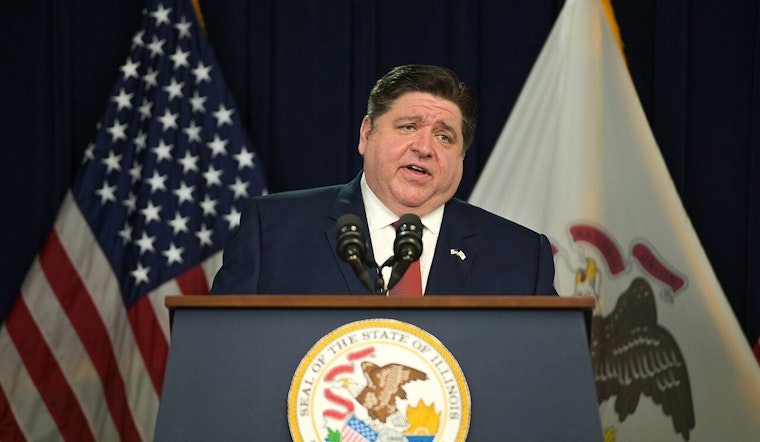
In a move raising eyebrows across Chicago, Governor JB Pritzker inked a bill on Friday that increases pension benefits for local police, adding considerable strain to the city's already fraught budget. According to the Chicago Sun-Times, this legislation, passed unanimously by both houses, is projected to spike Chicago’s annual pension contribution by $60 million in just two years. This sweetener, while satisfying to Chicago's officers, isn't happening without context – it comes as the city grapples with a $1.12 billion budget shortfall for the following year and a pension crisis valued at $35.9 billion.
In the shadow of the night, when many Chicagoans might have been distracted by the promise of a sun-drenched weekend, the governor signed off on a bill that will ultimately make the city's pension crisis $11 billion worse, according to mayoral aides. Although senior mayoral adviser Jason Lee acknowledged the governor's difficult position, he emphasized the signing as a potential springboard for future revenue discussions with Springfield. Yet, Civic Federation President Joe Ferguson argued the inevitability of Pritzker’s signature, implying the mayor could have influenced a different outcome if he had more assertively opposed the timing of such a bill.
Beyond the pension predicament, Gov. Pritzker's recent legislative marathon resulted in over a hundred new laws, covering a wide spectrum from aquifer protection to expanded insurance coverage mandates, as reported by the Capitol News Illinois. While the pension increase for first responders is prominent, another significant measure signed aims to safeguard Central Illinois' drinking water by banning carbon sequestration near the Mahomet Aquifer. This move comes amid concerns of previous carbon dioxide leaks and their potential impact on a vital water source.
Meanwhile, the Chicago Police Pension Fund, with assets covering only 24.6% of its liabilities, is facing further stress as the Tier 2 benefit inclusion is expected to reduce that already low figure. Fraternal Order of Police President John Catanzara laid the responsibility squarely on the shoulders of city politicians to resolve the pension woes, stating, "Figure it out. It’s not our problem. ... The benefit is earned and deserved," in comments obtained by the Chicago Sun-Times.
The additional laws signed by the governor also tackle key social and health concerns, including the requirement for libraries to carry opioid antagonists and enforce new training requirements for various professionals – a testament to the state’s varied approach to legislation. With such sweeping measures taking effect, they will certainly have long-term implications throughout Illinois, for citizens, government agencies, and the state's fiscal health alike.





