

























































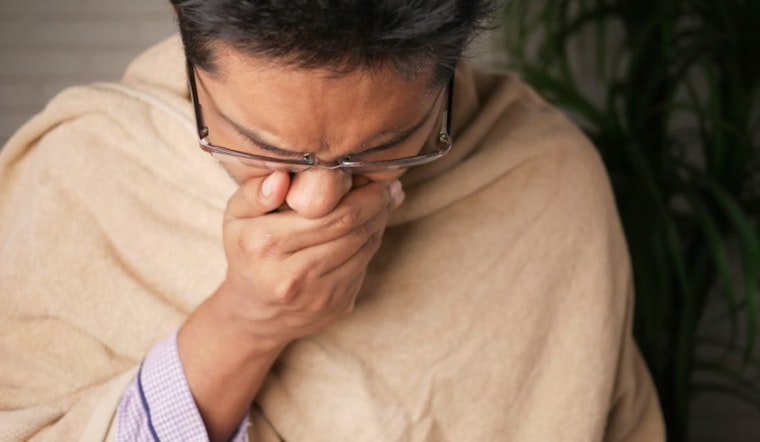
Hawaii is facing its most significant pertussis outbreak in recent years, with whooping cough cases already surpassing last year's totals and health officials warning that declining vaccination rates are creating dangerous conditions for further spread.
As of May 15, the Hawaii Department of Health confirmed 108 cases of whooping cough statewide, already exceeding the 84 total cases reported in all of 2024. The surge represents a troubling trend that health experts say reflects broader challenges with maintaining adequate immunization coverage across the islands, according to Spectrum Local News.
Big Island Emerges as Outbreak Hotspot
Hawaii Island has been particularly hard hit by the current outbreak. Health officials confirmed 11 pertussis cases on the Big Island from March through April 2024, with several involving infants too young to be fully vaccinated. These cases indicate community spread of pertussis on Hawaii Island, marking a significant escalation from isolated incidents.
The Department of Health is investigating two confirmed cases and eight probable cases across two separate households without travel-related exposures, according to official reports. These cases involve families with school-age children attending local schools in geographically distinct areas of the island, suggesting the disease has established multiple transmission chains.
Vaccination Rates Fall Behind National Standards
The outbreak occurs against a backdrop of declining immunization coverage statewide. Hawaii's 2022-2023 kindergarten coverage rate for DTaP vaccine was 87.0%, compared to a national average of 92.7%, according to data from the Hawaii Department of Health. Even more concerning, Hawaii had the largest increase in vaccination exemptions compared to the previous year.
This drop in vaccination rates has created conditions that public health experts warn could lead to more frequent and severe outbreaks of vaccine-preventable diseases. The state's immunization rates for school entry requirements, including measles, pertussis, polio and chickenpox, have declined since 2019 and now fall below national averages.
Understanding the Threat
Pertussis is a highly contagious respiratory disease spread through airborne droplets when infected individuals cough or sneeze. For the first two weeks, symptoms may resemble a common cold but typically progress to intense coughing fits, and in children, these episodes may be followed by a high-pitched "whooping" sound during inhalation, as mentioned on Spectrum Local News.
The disease poses the greatest danger to the most vulnerable populations. Health complications can be serious and life-threatening, especially for infants and young children who are not fully vaccinated, including pneumonia, seizures, breathing difficulties, brain disease and death. Approximately half of all infants younger than 12 months with pertussis require hospitalization.
Previous Outbreak Patterns
The current surge follows an earlier cluster in February 2024, when five unvaccinated members of a single household from the mainland contracted pertussis while staying at a hotel on Oahu. That incident included a child who required hospitalization, according to health department records.
From 2019 to 2023, Hawaii reported 90 confirmed and probable whooping cough cases, including 28 cases linked to three separate outbreaks. The current numbers already suggest 2025 could see significantly higher case counts than this historical baseline.
Prevention and Treatment
Health officials emphasize that vaccination remains the most effective defense against pertussis. The DTaP vaccine is administered to children under 7 years old, while the Tdap vaccine is used for older children and adults, with multiple doses recommended throughout life, as per FOX News.
Pregnant women should receive the Tdap vaccine during their third trimester to pass protective antibodies to their newborns before the infants can begin their own vaccination series. The CDC recommends adults receive booster doses every 10 years to maintain immunity.
For individuals diagnosed with pertussis, early antibiotic treatment is crucial. Treatment may reduce the severity of infection if started before coughing fits begin, while also helping prevent transmission to close contacts, according to the Hawaii Department of Health.
Seasonal Concerns Ahead
While pertussis doesn't follow a distinct seasonal pattern, past trends suggest cases may increase during summer and fall months. With vaccination rates below optimal levels, health officials remain vigilant about preventing further community spread throughout the island chain as the state heads into these traditionally higher-transmission periods.





