

























































The Healey-Driscoll Administration has announced a significant infusion of funds amounting to $2.9 million earmarked for enhancing ecological resilience in Massachusetts, according to a recent press release. This ambitious financial commitment, sourced through the Department of Fish and Game's Division of Ecological Restoration (DER), is allocated to address climate change impacts, bolster water quality, mitigate flood risks, and rejuvenate wildlife habitats.
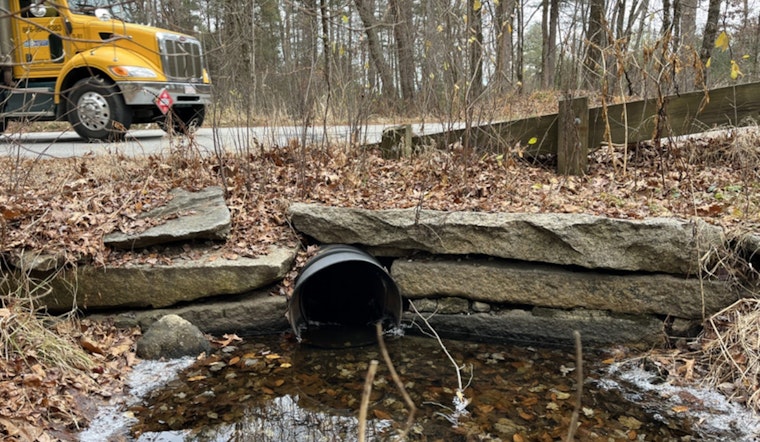
In a statement made available by Mass.gov, Energy and Environmental Affairs Secretary Rebecca Tepper highlighted the critical state of the state’s culverts, stating, "Massachusetts has over 25,000 culverts, most of which are undersized. By replacing these outdated culverts with larger, safer structures, we can better prepare our communities for severe weather." This initiative not only aims to safeguard against extreme weather but also anticipates reducing future disaster recovery costs for participating towns.
DFG Commissioner O'Shea is quoted emphasizing the advantages of these projects as a dual boon to both human communities and the environment. "By partnering with local leaders, we can turn our biggest challenges into opportunities to deliver safer, heathier communities. Restoration is an instant transformation—these projects secure cleaner water, thriving fish and wildlife, and more opportunities for outdoor recreation," O'Shea said.
The lion's share of the funding—over $2.7 million—is being directed to 21 towns via DER's Stream Continuity Program, specifically through its Culvert Replacement Municipal Assistance Grants and the Culvert Replacement Training Site Initiative. The latter will develop a network for hands-on learning aimed at local road managers about proactive culvert management. Additionally, DER designates $200,000 to support the Herring River Estuary Restoration Project, as part of DER’s Priority Projects Program, aiming to revive a vast section of salt marsh and estuarine habitats.
Among the towns benefiting from this funding are Agawam, Ashby, and Douglas, with projects ranging from design and engineering work to construction and field data collection for replacing culverts. These grants, some over half-a-million dollars, address critical infrastructure needs that could otherwise place a financial strain on the townships.
Policymakers from across the aisle have expressed gratitude for the funding. "Funding to replace culverts is vital to communities like Douglas, Mendon, and Wales in my district," State Senator Ryan Fattman (R-Worcester & Hampden) remarked. Meanwhile, State Representative John Barrett (D-1st Berkshire) acknowledged the importance of the grants, stating, “These funds will enable them to undertake critical projects that address infrastructure needs and enhance environmental resilience, which they would not normally be able to address on their own.”
Backing the administration's climate-focused vision, State Representative Leigh Davis (D-3rd Berkshire) lauded the funding's support for the ecological health of the Berkshires. State Representative Hadley Luddy (D-4th Barnstable) also praised the commitment to the Herring River Restoration Project, citing the expected ecological rejuvenation. These affirmations across districts underscore a widespread consensus on the value of these ecological restoration projects for Massachusetts’ future resilience and sustainability.



