

























































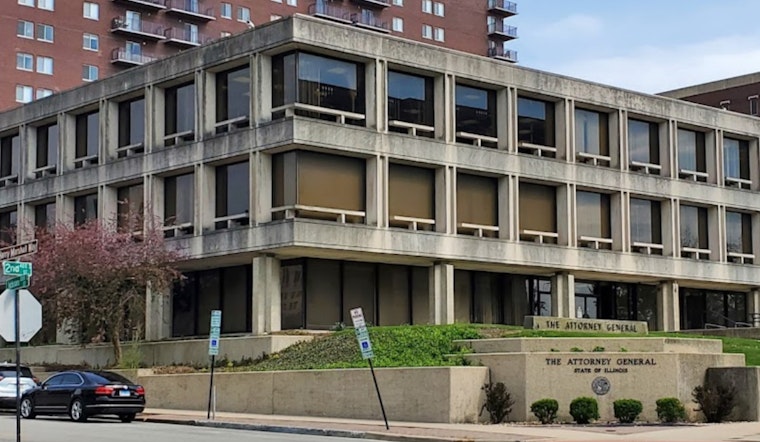
Attorney General Kwame Raoul, aligning with a coalition of fellow AGs from 19 states, has taken a stand against the U.S. Department of Energy (DOE). They're suing to prevent a new funding cap that could significantly cut support for crucial state-run energy programs. This alliance argues that the DOE's decision puts these initiatives at risk, affecting everything from public water infrastructure energy assessments to homebuilding energy efficiency training. Notably, programs like the Illinois Clean Energy Innovation Fund are also at stake, a key player in financing emerging technologies aimed at enhancing energy grid reliability, resilience, and modernization.
The argument is that the DOE has neglected longstanding practices by putting a cap on indirect costs and employee benefits, limited now to 10% of a project's total budget. The move, announced on May 8, has been described as a break from decades of federal requirements for agencies to negotiate fair reimbursement rates with states for administrative or staffing costs to run federal programs, according to information obtained by the Illinois Attorney General's Office. If this policy proceeds, it could force reductions in staff and operations, hindering states' delivery of vital energy services and potentially stalling or scrapping critical projects.
"This illegal action will seriously harm work being done in Illinois and across the nation to improve energy efficiency, strengthen energy resiliency and increase clean energy," Raoul stated. As reported by the Illinois AG's news release, he also emphasized the importance of reliable energy for the prosperity and well-being of state residents and the role of clean energy in protecting the environment. The coalition is urging the court to halt these funding cuts, which they consider to be a reckless overreach.
The states are challenging the DOE policy by claiming it violates federal regulations, which require agencies to respect negotiated indirect cost rates between states and the federal government. Moreover, cases with similar blanket limits have been struck down in federal courts, the attorneys general emphasize. Every court to have ruled on the merits of such limits has found them unlawful, unjustified, and disruptive to essential public programs, as per details from the Illinois AG's press release. The legal battle also includes the attorneys general of California, Colorado, Connecticut, Delaware, the District of Columbia, Hawaii, Maine, Maryland, Michigan, Minnesota, New Mexico, New York, North Carolina, Oregon, Washington, and Wisconsin, and further includes the governors of Kentucky and Pennsylvania.
These legal actions highlight the ongoing friction between state-level initiatives aiming to promote sustainability and federal policies perceived as economically restrictive. The court's decision on this matter could have profound implications for how states manage their energy programs and pursue environmental goals moving forward.



