

























































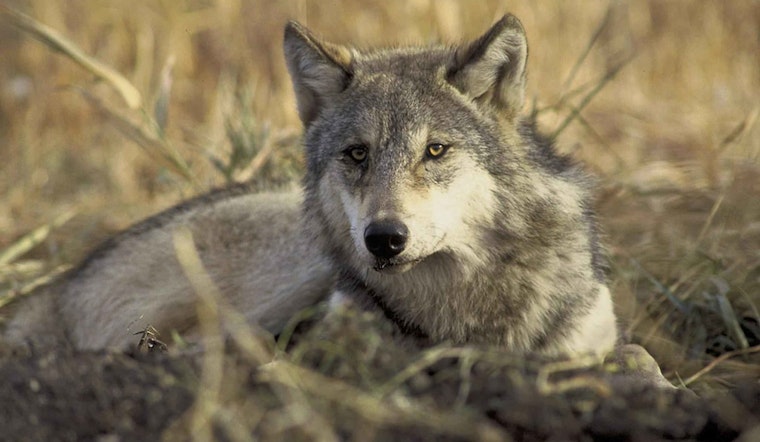
Isle Royale National Park has made the tough call to kill a wolf that had become too comfortable around human visitors, getting its paws on their food – a move the park officials say was necessary for safety reasons. The decision came after escalating incidents throughout June and July when the animal and possibly another wolf were seen helping themselves to human provisions at campgrounds, despite attempts by the park staff to curb such behavior through various measures including changing waste management protocols and enhancing food storage regulations, as reported by the Detroit Free Press.
Despite introducing aversive conditioning and altering waste management practices, along with stricter food storage regulations, the wolves' bold behaviors around visitors and developed areas persisted, causing concern the park officials had to act on, as noted by WXYZ; they dipped their noses into food storage bags and backpacks, and these weren't isolated incidents but a repeated pattern that showed a worrying trend towards habituation. Park representatives, having exhausted non-lethal methods and in consultation with federal, state, and tribal authorities, resolved that the killing of one wolf was a regrettable but necessary step to protect people and maintain the natural balance of wildlife in the park.
Isle Royale Superintendent Denice Swanke described the removal as "deeply unfortunate" but underlined the growing safety concern behind the action in a statement obtained by Bridge Michigan. "Our priority remains the safety of park visitors and staff, and the protection of wildlife in their natural state, including our objective to maintain a wild wolf population," said Swanke. New food storage regulations have taken effect on the island, mandating animal-resistant containers for overnight stayers to nip such risky interactions in the bud.
Gray wolves have been top predators on Isle Royale since the late '40s and play a critical role in controlling the moose population, which has its own impacts on the park's ecology. The park has long struggled with the problem of wolves getting into trash and food stores, but what was different here was the wolves' growing nonchalance around humans. This drove the National Park Service to take this controversial step after seeing the park's wolf population recover from a crash in the 2010s, with the most recent report from Michigan Technological University citing a stable number of 30 wolves since January 2024, as per a report by the Detroit Free Press. Park staff will keep a close eye on wolf-human interactions and are prepared to take further action—but only if absolutely necessary.





