

























































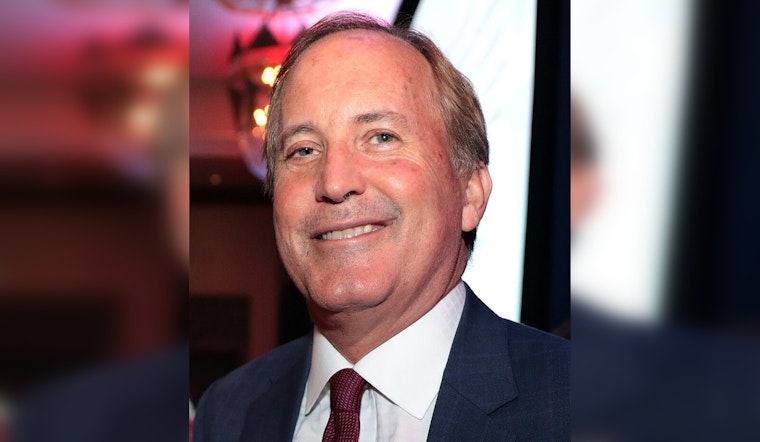
In a major move towards healthier breakfast tables, Kellogg's has agreed to stop using artificial dyes in its cereals. The change comes as part of a legal agreement reached with Texas Attorney General Ken Paxton, who has been pushing the company to make its products safer. In the legally-binding document known as an Assurance of Voluntary Compliance (AVC), Kellogg’s has committed to remove these toxic ingredients from its cereal lines by the end of 2027.
This decision by Kellogg's followed an investigation by Paxton's office that began with an issuance of a Civil Investigative Demand (CID) earlier this year. The inquiry was sparked by Kellogg's prior commitments to eradicate petroleum-based food colorings in certain global markets, yet failing to apply the same standards in the U.S. According to the Texas Attorney General's press release, this makes Kellogg’s the first major food company to enter into a legally enforced agreement for the removal of food colorings, with Paxton stating, "Following months of investigating and negotiating, I’m proud to officially say Kellogg’s will stop putting these unhealthy ingredients in its cereals."
Attorney General Paxton highlighted the significance of this agreement and expressed his hope that other companies will follow in Kellogg’s footsteps. “The signed AVC demonstrates that Kellogg’s is committed to keeping this pledge, and I commend the company for doing the right thing. I encourage other food manufacturers to sign similar agreements to demonstrate their commitment to helping Americans live healthier lives,” Paxton said, as noted by the same press release.
The move by Kellogg’s is touted as a pivotal moment in the ongoing shift towards more natural food products. Other companies have verbally indicated their intentions to remove such dyes, but have yet to solidify their promises with a signed agreement. By signing the AVC, Kellogg's has made clear its intention to adhere to the pledge and eliminate these artificial colorings from its product lines within the next couple of years, making waves in the food industry and potentially setting a precedent for similar actions from other manufacturers.


