

























































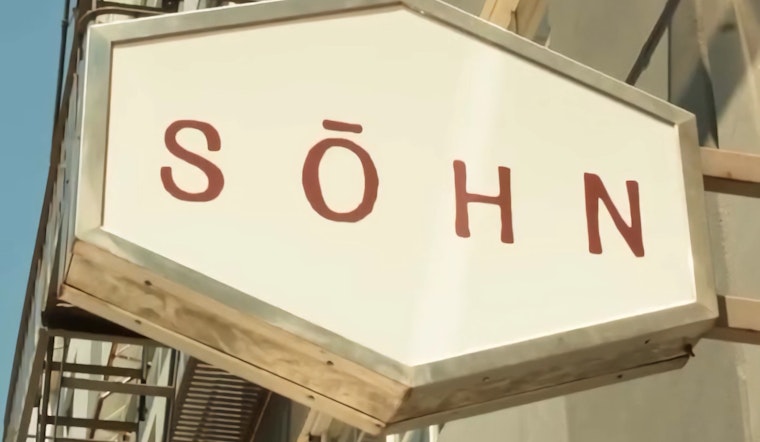
The massive industrial space that couldn't make wood-fired bagels work is about to get a decidedly different kind of makeover. Come Friday, the former Daily Driver location in Dogpatch will reopen as Sohn, a Korean café that's betting big on community connection, fermentation rooms, and the kind of thoughtful programming that turns neighborhood coffee shops into actual neighborhood institutions.
Chef Deuki Hong and managing partner Janet Lee are the duo behind this latest venture at 2535 3rd Street, and they're not exactly rookies at this game. Hong's resume includes stints at Momofuku and Jean-Georges, plus executive chef duties at one of New York's most celebrated Korean barbecue joints, Kang Ho Dong Baekjeong. His Bay Area track record, however, tells a more complicated story—several ambitious concepts that ultimately shuttered, teaching him what he calls "expensive lessons" about the local market.
But here's what makes Sohn different: it's opening at a moment when Korean food in San Francisco has finally hit its stride. According to the San Francisco Chronicle, Hong believes "it's time the Bay Area starts playing a bigger conversation in where Korean food is going in America." Considering that chef Corey Lee's San Ho Won just earned a Michelin star and places like Jagalchi in Daly City are drawing hour-long waits, he might be onto something.
From Bagel Dreams to Korean Reality
The space itself has quite the backstory. Daily Driver closed in December 2024 after its owners admitted "the model isn't working"—a surprisingly blunt assessment for a business that once boasted about being San Francisco's first "urban creamery." The wood-fired bagel concept had all the right ingredients: local partnerships, sustainable practices, and a prime Dogpatch location. It just couldn't quite crack the code on making it profitable. Local sentiment about Daily Driver's closure has been, shall we say, mixed. Reddit users discussing Sohn's arrival have been refreshingly direct about their feelings—one commenter summed up neighborhood opinion by noting "Thank God because Daily Driver was a dumpster fire business." Harsh? Maybe. But it reflects the kind of unvarnished local perspective that restaurant operators ignore at their peril.
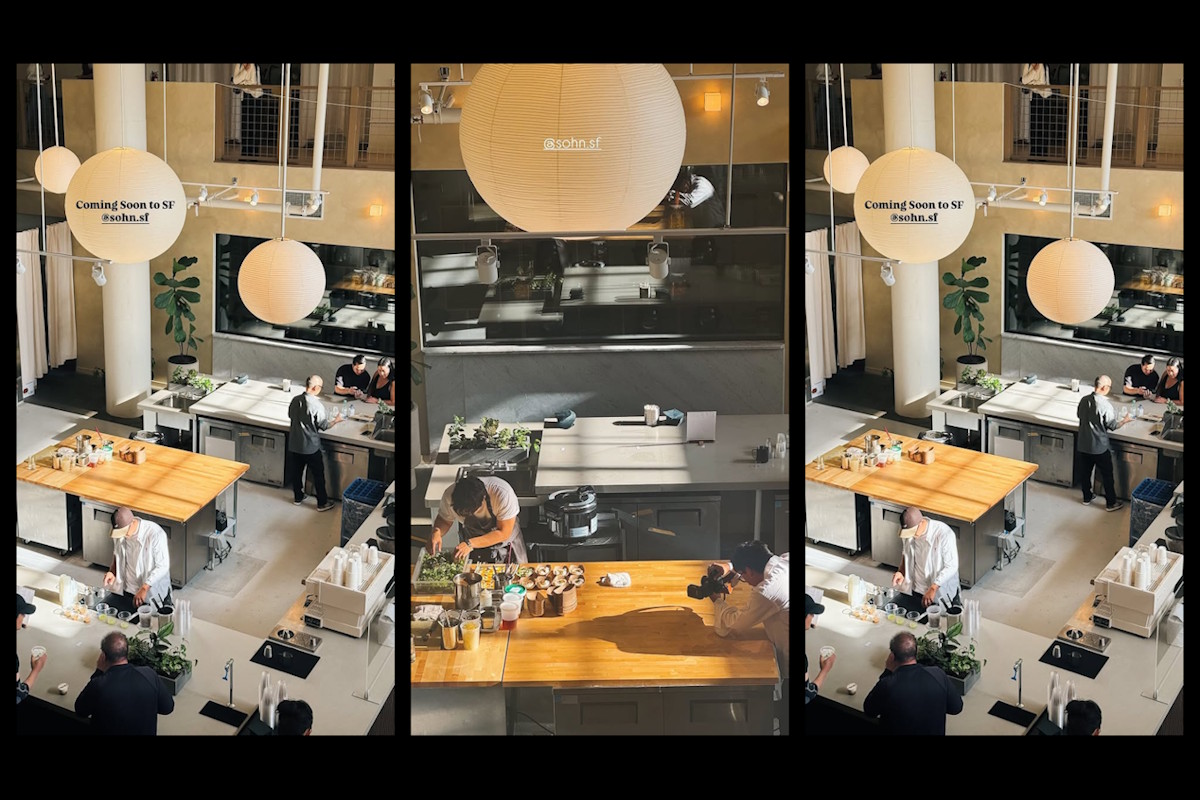
Korean-American interior designer Cathie Hong (no relation to Deuki) has transformed the cavernous 7,000-square-foot space into something that feels more like a sophisticated living room than an industrial café. Think lime-washed walls, oversized Noguchi paper lanterns, and actual lounge areas where you might want to linger with a book rather than just grab-and-go with your laptop. Local observers have been tracking the transformation for weeks. Attentive Reddit users spotted Hong posting renovation videos on social media about a month ago, giving neighborhood food watchers their first hints that something interesting was happening behind the papered windows. Recent walk-bys suggest the space maintains Daily Driver's basic layout while completely reimagining the aesthetic—a practical approach that saves money while signaling a fresh start.
The name "Sohn" comes from the Korean word for "hand," which Hong and Lee see as symbolic of the collaborative nature of their project. Everything from the housemade banana oat milk (a nostalgic nod to Korean banana milk) to the fermented condiments made on-site reflects what they call "손맛" (sohn-mat)—the indescribable "taste of hand" that comes from cooking with intention and care.
More Than Just Avocado Toast (Though They Have That Too)
The menu walks a careful line between accessibility and authenticity. Yes, there's sourdough toast ($13) topped with charred avocado and gochugaru oil—the kind of dish that works for both Korean food newbies and longtime enthusiasts. But you'll also find more adventurous offerings like Korean barbecue beef patty melts with kimchi slaw ($16) and rice bowls with soy-marinated soft-boiled eggs and Korean herbs.
The sourdough, incidentally, comes from Neighbor Bakehouse, Hong's other Dogpatch operation just down the street at 2343 3rd Street. It's the kind of hyperlocal sourcing that makes sense in a neighborhood where walking two blocks can feel like crossing into another world entirely.
Korean Food's San Francisco Moment
What's happening with Korean food in San Francisco feels genuinely different from the usual "next big cuisine" hype cycles. Just a few years ago, Chronicle critics were noting that finding quality Korean food in San Francisco proper was frustratingly hit-or-miss, with many Korean chefs preferring to drive south to Santa Clara or down to Los Angeles for their Korean food fix.
Now? San Ho Won has its Michelin star, Joodooboo in Oakland is drawing crowds for house-made tofu, and Daeho's kalbijjim (those Instagram-famous cheese-covered short ribs) has people lining up for hours in Japantown. Suddenly, the Bay Area's Korean food scene doesn't feel like an afterthought compared to Los Angeles or New York.
The Dogpatch Development Context
Sohn's timing coincides with Dogpatch's evolution from industrial outpost to legitimate destination. The massive Pier 70 redevelopment has brought everything from artisan workshops to fancy paddel courts to the waterfront, while developments like the Chase Center have made the area feel less like a place you accidentally end up and more like a place you actually want to be.
The neighborhood's maker culture—all those ceramic studios and small-batch manufacturers tucked into converted warehouses—aligns perfectly with Sohn's community-focused approach. Hong and Lee aren't just planning to serve coffee and toast; they're planning evening workshops, collaboration dinners, and cooking classes. It's the kind of programming that could either feel forced and gimmicky or genuinely useful and connective. Based on Hong's track record of building community through food, we're optimistic about the latter.
Coffee Culture Meets Korean Innovation
The beverage program reflects the sophisticated coffee culture that's become a hallmark of Korean cafés worldwide. Sohn will serve specialty coffee roasted in partnership with Frank La of Be Bright Coffee in Los Angeles, along with drinks that showcase Korean ingredients in unexpectedly delicious ways—think espresso tonic infused with yuja (Korean citrus) and perilla, or housemade banana oat milk available with espresso, matcha, or hojicha.
Two signature drinks channel the beloved Melona ice cream bar, because sometimes the best innovation comes from taking childhood nostalgia seriously. The einspänner, a Viennese coffee drink that's become trendy in Korean cafés, represents the kind of global cross-pollination that Korean café culture does so well.
A Retail Component That Actually Makes Sense
Sohn's retail section, curated by Maum (a specialty Korean-American goods store with locations in New York and Los Angeles), feels more thoughtful than the usual café retail afterthought. We're talking Korean-made soaps, specialty instant coffees, and ceramics—the kind of objects that reflect the same attention to craft and community that informs the food program.
The Bigger Picture
What makes Sohn particularly interesting isn't just that it's another Korean restaurant opening in San Francisco—it's that it represents a more mature approach to Korean food entrepreneurship in the Bay Area. Hong's background includes both the technical skills from training at places like Momofuku and the hard-won local knowledge from his previous San Francisco ventures that didn't quite work out.
Taste interviewed Hong in 2021, where he reflected on the complexity of Korean-American identity: "I felt very Korean [growing up in America], but stepping foot in Korea, I felt very American." That cultural fluency—being able to navigate between traditional Korean flavors and contemporary American expectations—feels essential for a project like Sohn to succeed.
Five days before opening, the space that once struggled to make wood-fired bagels profitable is being reimagined by operators who understand that success in today's market requires more than just good food. It demands genuine community connection, cultural authenticity, and the kind of adaptability that comes from learning expensive lessons and applying them wisely.
Whether Hong and Lee can succeed where Daily Driver couldn't remains to be seen, but their approach suggests they've absorbed the right lessons from both the neighborhood's creative energy and their own complicated histories. In a city where Korean food culture is finally getting the attention it deserves, Sohn feels less like a risky bet and more like an idea whose time has arrived.





