

























































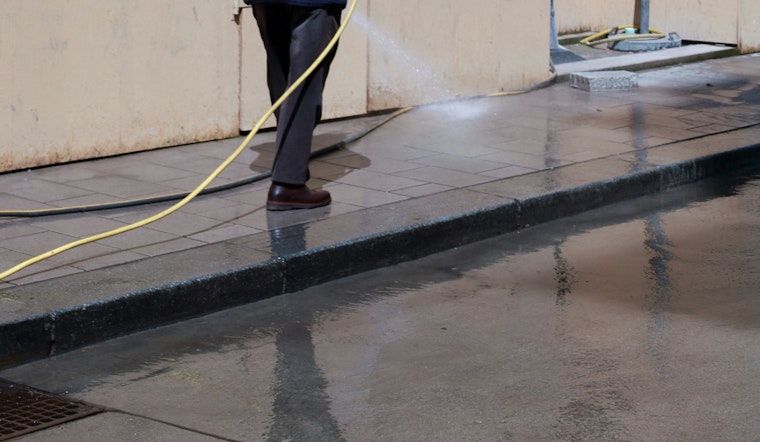
In a move that is bound to be a boon for the construction scene in Lake Havasu City, local authorities have decided to let construction companies tap into a resource that typically goes unnoticed: non-potable water from the city's wastewater treatment plants. By redirecting what's essentially a byproduct of the city's sanitation process, these companies are looking at potential savings that could make a significant difference in their bottom line.
This cost-reducing venture allows construction companies to replace the water they would typically draw from city hydrants, which comes at a cost of $2.81 per 100 cubic feet, plus a deposit fee, according to an announcement from Lake Havasu City. The math is simple: free beats the fee. And in the business of construction, where overheads can stack quickly, such savings are not just pennies—they're sensible economics.
Interested companies can haul the non-potable water from three locations: the Island Treatment Plant, which is open 24 hours daily, and the North Regional and Mulberry Treatment Plants, which operate Monday through Friday from 5:30 a.m. to 2:00 p.m. This access could be particularly useful for tasks such as dust mitigation, a major concern in the arid climate where Lake Havasu City sits.
To ensure this process is as seamless as it is cost-effective, the City's Wastewater Division is ready to guide companies on how to schedule a pick-up. "Staff will provide guidance on the process to ensure smooth access to this cost-saving resource," reads a quote from the city's official proclamation. Companies may call 928-855-3999 to arrange for their water pick-up.
As industries worldwide face increasing pressure to become more sustainable, Lake Havasu City's initiative represents a small, yet integral step in that direction by repurposing water that would otherwise be underutilized. In a world where every drop counts, the city has pinpointed a way to put its drops to work twice over—not just for the benefit of construction companies, but also as a model for resource management in other municipalities looking to encourage both economic growth and environmental stewardship.




