

























































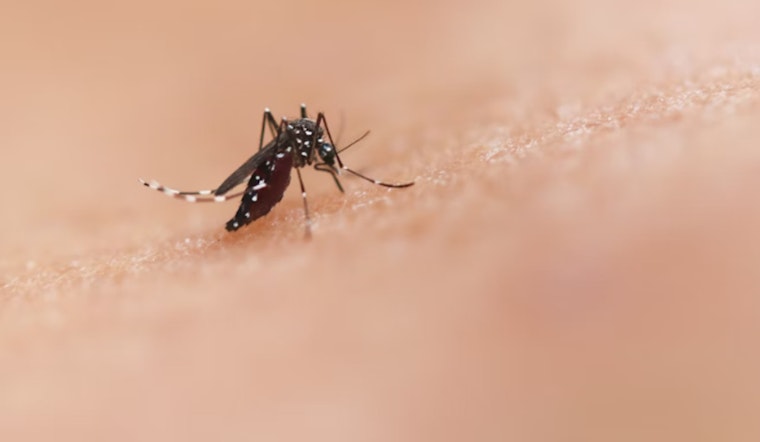
The relentless advance of the aggressive mosquito species, Aedes aegypti, across the Las Vegas valley has residents reaching for repellent, with the unwelcome guests now holding a bloodsucking grip in 48 zip codes. Vivek Raman, Environmental Health Supervisor for Southern Nevada, pointed out that this species isn't shy about where it dines, showing a marked preference for human over animal blood, making them especially problematic for the urban population, according to a report by KTNV.
What might seem like a sci-fi plot is grounded in reality due to a combination of climate change, growing resistance to insecticides, and an adapting species thriving amidst Las Vegas' urban sprawl, this not-so-little problem has experts sounding the alarm, with NBC News highlighting concerns from assistant professor Louisa Messenger at the University of Nevada, Las Vegas, who described the situation as "a ticking time bomb."
Despite the discomfort and concern surrounding these persistent pests, health officials maintain that serious illnesses are rare, with Dr. Heber Phillips telling KTNV that with over a million locals and less than 50-100 reporting mosquito-borne diseases annually, the likelihood of contracting ailments is minimal; however, West Nile virus and Saint Louis encephalitis remain valid worries as they continue to cause illness in the area.
Messenger's research underscores a potential health crisis given that Las Vegas welcomes over 48 million visitors each year, creating an ideal hotspot for the spread of diseases, "It just takes a couple of mosquito bites to start local transmission," she told NBC News, as she delves into the data showing a surge in insecticide-resistant mosquitoes in the region; the Southern Nevada Health District notes a stark increase in detection from just a few zip codes in 2017 to a widespread irritation.
Residents can take steps to protect their veins by removing standing water around their homes, wearing long sleeves during peak mosquito hours, and using EPA-approved repellents, while the Southern Nevada Health District continues its vigilance, monitoring hotspots and advancing their mosquito surveillance efforts to keep the bloodthirsty inhabitants at bay, according to KTNV.





