

























































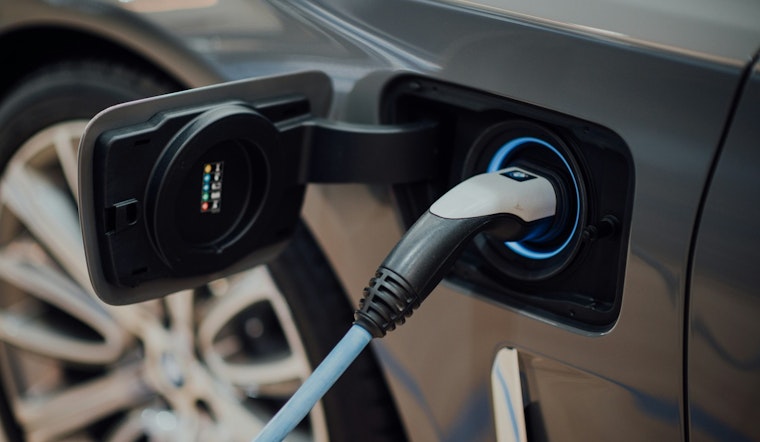
In a move aimed at bolstering the state's commitment to a cleaner transportation sector, the Healey-Driscoll Administration announced an allocation of $46 million towards the expansion of electric vehicle (EV) charging infrastructure throughout Massachusetts. As reported by Mass.gov, this funding effort is set to span through FY27. The MassDEP highlighted the initiative as a part of the state's strategy to meet the increasing demand for EVs and the required support infrastructure.
The significant investment aligns with recommendations from the Massachusetts Department of Environmental Protection (MassDEP), and is expected to address noted shortages, particularly along key transportation corridors in western and central Massachusetts and within the medium- and heavy-duty vehicle segments. According to Mass.gov, MassDEP Commissioner Bonnie Heiple stated, "This funding allows MassDEP to cut air and noise pollution in communities across the state — driving real change for a healthier Massachusetts."
Grants disbursed through this initiative will support numerous projects targeting workplaces, fleets, educational institutions, and public access points. A bulk of the funding, approximately $30 million, is earmarked for the development of the charging infrastructure necessary for medium- and heavy-duty vehicles, which are pivotal in reducing transportation emissions that comprise 37 percent of the state's greenhouse gas emissions. The intention is to create a robust network that can facilitate the shift towards electrification with confidence, a need that was echoed by Energy and Environmental Affairs Secretary Rebecca Tepper who emphasized, “We’re making it easier for everyone to get around as more Massachusetts residents choose to drive electric."
The urgency of the state's efforts is underscored by the EVICC Assessment's findings which recommend innovative solutions aimed at minimizing grid impacts from EV charging and exploring legislative enhancements to foster wider EV adoption. The assessment also identifies key areas for charger deployment enhancement, including on-street charging in residential areas, through scaling, on-street charging and charging at public transit parking lots to meet the needs of residents who lack off-street parking options, and strengthening the charging network for medium- and heavy-duty vehicles. With these initiatives in motion, Massachusetts positions itself as a leader in the nation for charger density, looking to maintain its stride in an automotive market where electrified vehicles continue to gain significant market share.
Acknowledging the impact this has on the automotive landscape, Mass.gov states that "Electric vehicles have grown exponentially in popularity and continue to gain significant market share," marking a significant shift away from traditional gas and diesel options. This trend aligns with the state's climate goals and reflects an awareness of environmental justice, a focal point in ensuring that funding also improves air quality in disadvantaged communities. The Healey-Driscoll Administration's actions resonate with a broader commitment to environmental stewardship, health, and a progressive vision for the state's transportation future.



