

























































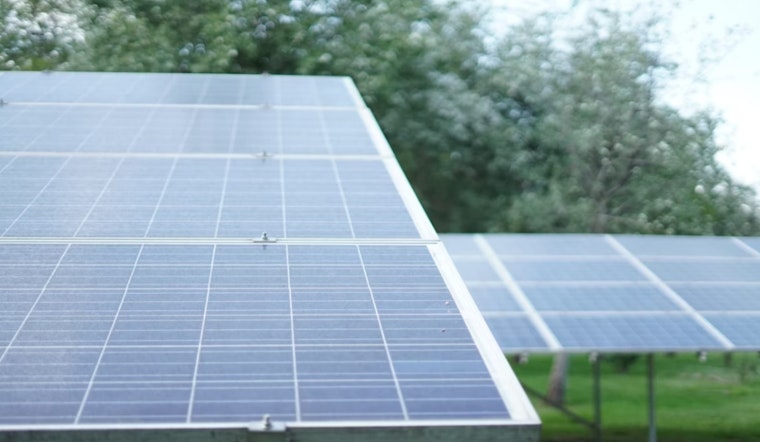
Alarm bells are ringing across Massachusetts this week, following a troubling report that the Trump Administration might pull the plug on a sizeable chunk of change – $156 million, to be precise – that's aimed at giving affordable solar power to thousands of Bay State residents. Governor Maura Healey has voiced her concern over this potential backtrack on the EPA’s Solar for All program, which, as summarized by the state's official announcement, could help lighten the load of energy bills for over 29,000 local households and kickstart a job wave for about 3,000 workers, not to mention amp up the state's solar capacity by 125 megawatts.
Ingesting the urgency of the matter, Healey stated on Mass.gov, "Solar is the fastest and cheapest way to bring affordable energy into Massachusetts," as she addressed her administration's efforts in bolstering solar energy accessibility through the likes of new incentives and the now-threatened Solar for All initiative. The solar sector's promise of lowering Massachusetts families’ energy costs and bulking up the job market is hanging on a knife-edge as the Trump Administration reassesses its stance on the grants, which were announced with the full backing of the Inflation Reduction Act's Greenhouse Gas Reduction Fund.
Elizabeth Warren, Massachusetts Senator, weighed in, articulating the high stakes of federal follow-through, or lack thereof. "No one in Massachusetts voted for electric bills to go up, to kill thousands of good-paying jobs, or to make energy less reliable," Senator Warren told Mass.gov. Arguments are being lobbed from both sides of the political aisle, as even GOP-led states stand to lose big if these green grants get axed. Senator Ed Markey also emphasized the financial fruitfulness of Solar for All, which could save households an average of $400 annually, with an aggregated savings anticipating to top $8 billion across the nation.
The breadth of this program doesn't just span residential relief but stretches into public housing initiatives and small business support, all the while chipping in towards grid stability and energy cost savings. For instance, on a singular summer day, June 24, solar energy helped dodge over 2 GW of power plant generation, savings that translated into an $8 million boon for New England electricity consumers. The state has steadily crafted a conducive environment for the solar industry, with Healey's administration recently issuing emergency regulations to stimulate solar development in anticipation of federal setbacks.
If this potentially generation-defining subsidy were to fall through, both the Massachusetts economy and ecological trajectory would reel from the impact. Dr. Emily Reichert, CEO of the Massachusetts Clean Energy Center, succinctly stated that the federal government’s potential reversal on this investment represents not just a massive economic blunder but also a stark detriment to the country's energy future. As it stands, the Solar for All uproar is far from seeing its sunset, with Healey and her cadre of clean energy defenders girding themselves for what might evolve into a protracted scuffle for solar sustainability in Massachusetts.




