

























































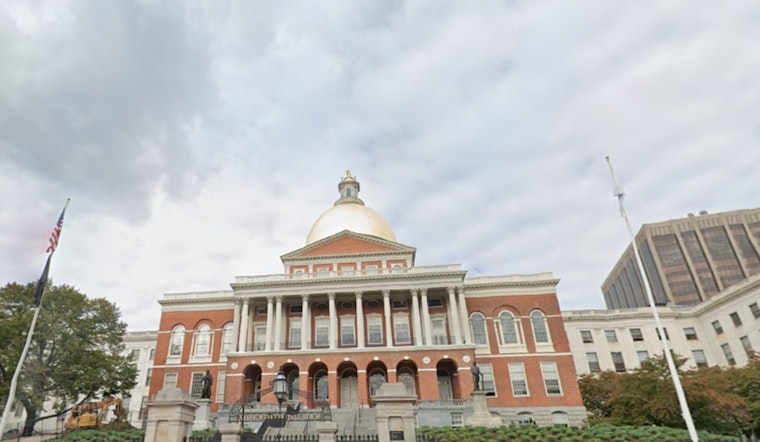
In a major push to alleviate the housing crisis in Massachusetts, Governor Maura Healey and Lieutenant Governor Kim Driscoll have unveiled a substantial $182 million investment to generate 1,245 new rental homes for low-income residents. As detailed by Mass.gov, these funds are expected to not only create but also preserve affordable living spaces across the state, aiding vulnerable communities including seniors and those transitioning out of homelessness.
The Healey-Driscoll administration, since its inception in January 2023, has been continually pumping resources into housing, having fostered a total of 6,071 affordable rental units to date. In a statement obtained by Mass.gov, Governor Healey highlighted the range of apartments being developed, "helping seniors age independently and close to their families and helping workers afford to live in the communities where their jobs are." A good portion of the funding, earmarked specifically for the development projects, was sourced from the Affordable Homes Act and Healey's tax cuts package, which increased the Low-Income Housing Tax Credit to $60 million annually.
Massachusetts has seen a concerted collaborative effort from government bodies, private developers, and community organizations to bring these housing projects to life, offering creative and varied solutions to the diverse housing needs across the state. These developments range from rehabilitated public housing to new, inclusive communities designed with environmental resilience in mind, like the transit-oriented Waterfield Commons planned next to the Winchester MBTA station.
Senate President Karen E. Spilka, backing the initiative, praised the swift disbursement of funds by the Healey-Driscoll Administration, saying, "These investments reflect our shared commitment to tackling the housing crisis from every angle." The administration's comprehensive approach to housing, outlined by Mass.gov, incorporates major initiatives from the MBTA Communities Law to new tax credits and subsidy increases. A granular breakdown of the funding includes $32.2 million in federal Low-Income Housing Tax Credits, $31.6 million in state credits, and $118.2 million in direct subsidies from the Executive Office of Housing and Livable Communities, which will be leveraged by nearly $450 million in private equity to meet urgent housing needs across urban, suburban, and rural locales.
This hefty capital infusion will subsidize numerous projects, with special attention toward the deeply affordable homes for those earning less than 30 percent of the area median income, which constitutes nearly 420 of the homes announced in this particular round of funding. The project announcements coincide with the 2025 Affordable Housing Development grant awards and feature initiatives like the restoration of the Devenscrest Village in Ayer and the Chinatown-based 50 Herald Street construction in Boston, which will not only offer a sizable number of rental units but also contribute to commercial revitalization in their respective communities.




