

























































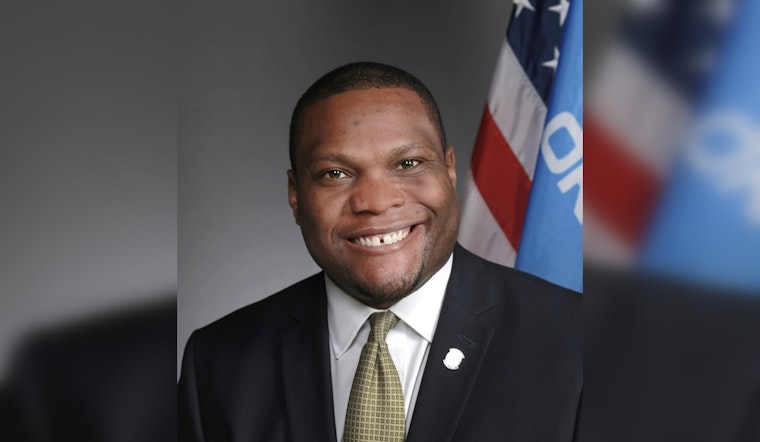
In a major move to strengthen public health in Tulsa, Mayor Monroe Nichols, together with Community Care and a group of local healthcare and community organizations, announced the creation of Tulsa's first Office of Health and Well-being. Aimed at enhancing health outcomes citywide, this new entity has been seeded with upwards of $260,000 in corporate contributions, featuring a substantial $210,000 from Community Care and a $50,000 grant from the George Kaiser Family Foundation, as reported by the City of Tulsa.
"This is an investment in the health of our community and in the future of Tulsa," Mayor Nichols said in a press release, highlighting a coordinated approach to integrating healthcare, education, economic opportunity, and public safety to promote equitable chances for prosperity among all Tulsans, the investment was announced at a critical moment when the interconnectedness of social factors is increasingly important. With a mission to bring together healthcare stakeholders, utilize the Neighborhood Conditions Index (NCI) to address health disparities, and expand mental health initiatives throughout the city, the Office aims to achieve significant advancements in public health.
District 4 City Councilor Laura Bellis emphasized the responsibility of local government in promoting healthy families, neighborhoods, and a strong economy. Dr. Jabraan Pasha, the newly appointed Chief Health Officer for the Office, further highlighted the connection between health outcomes and broader social determinants, reflecting on the overlapping areas of health, employment, education, and crime in Tulsa.
In partnership with the City of Tulsa, Josiah Sutton, President and CEO of Community Care, expressed commitment to supporting the needs of local residents. As the largest locally owned health plan in Oklahoma, Community Care will leverage its resources to make significant progress in improving community well-being. Their involvement marks a key alliance in addressing systemic challenges that often hinder public health advancement. Philanthropic funding will support the hiring of a Director of Programming, maintain the Office’s operations, and lead data-driven community engagement initiatives.
Future plans for the Office include the imminent formation of a Health Coalition to bolster its endeavors, with a forthcoming contribution from Community Care slated for Tulsa City Council review. Notably, the establishment of the Office did not involve public funding, representing a community-driven approach that relies on private investment to achieve public benefits.





