

























































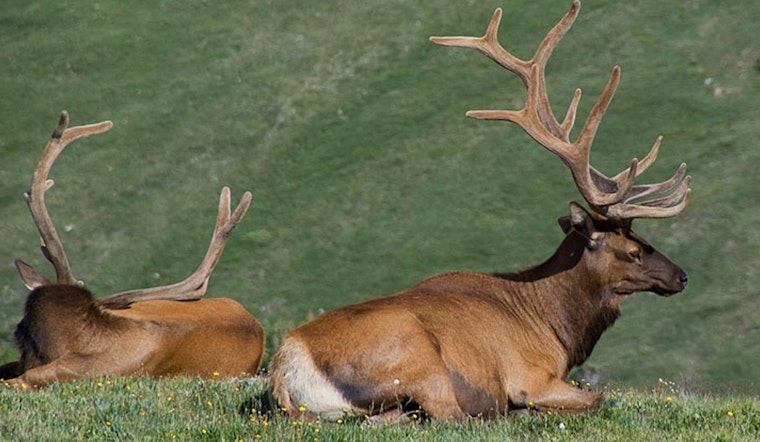
In a move that blends the rustic with the robotic, the Michigan Department of Natural Resources is conducting a tech-driven study to keep tabs on its hoofed inhabitants – specifically, the state's elk population. According to an official communiqué from the Michigan DNR, researchers have deployed around 200 trail cameras across an expansive 1,100 square miles in Michigan's northern Lower Peninsula, a notable shift from their biennial aerial surveys, which have been a staple for over two decades but have greeted challenges with snow coverage and an eyebrow-raising 25% uncertainty rate.
These cameras are not just the old snapshot traps used by amateur wildlife enthusiasts; they're equipped with infrared and motion detection to photograph those hefty elks and are positioned strategically about 40 inches up tree trunks for optimal elk-selfie height. Angela Kujawa, a DNR wildlife biologist, made it clear that it's not merely about gathering megabytes of elk mugshots, as she asserted to Michigan's DNR that they will "compare the results from these different survey methods and balance the precision of the estimates they provide with the resources they require."
Furthermore, these camera-gathered snapshots will be scrutinized both by AI tech and human insight, involving an open-source beast-detecting software called MegaDetector, fearless deleters of human-derived images, and a follow-up from Wildlife Insights to check if that fuzzy figure is indeed an elk. They have their photo op checked, double-checked and then some by a savvy band of seasonal staffers from the MSU Cooperative, ensuring a virtual verification vortex.
In tandem with this photo frenzy, the DNR's teeth collection hobby—yes, elk teeth—is part of their idea they call statistical population reconstruction, or SPR, which Tyler Petroelje, northern Michigan's wildlife research specialist, alluded is a low-cost trick that might just edge out those pricey aerial surveys; this tooth analysis could break the every-other-year cycle down to a more relaxed three- to five-year jaunt, as per statements furnished to Michigan's DNR, and it's all in service of the state's deep-rooted elk management plan, which Petroelje says is essential for estimating "elk abundance with the best tools that are available."





