

























































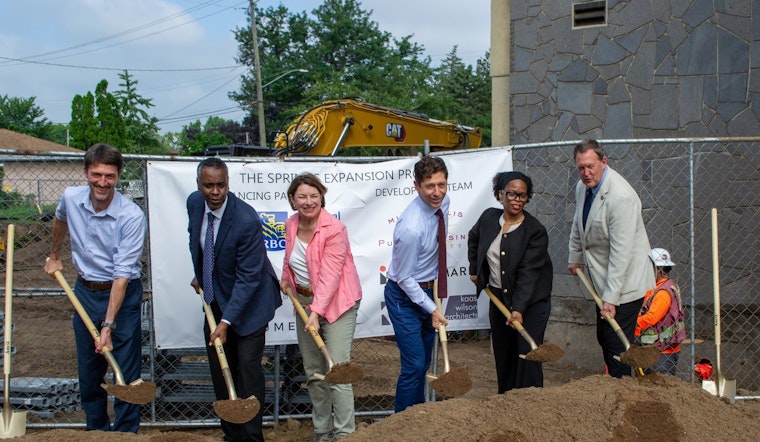
In what marks a significant push towards bolstering the affordable housing stock in Minneapolis, a host of local dignitaries, including Senator Amy Klobuchar and Mayor Jacob Frey, have commenced the groundbreaking $78 million redevelopment of Spring Manor. As reported on the official City of Minneapolis Government social media page, this project claims the title of the largest public housing redevelopment ever seen in the city.
The current plan is to revitalize 221 units within two existing buildings by channeling over $30 million directly into much-needed capital improvements. An additional four-story structure will also be raised, adding 15 new housing units specially tailored with mobility accessibility features. The revamp list contains thorough overhauls of aged systems, including new in-unit cooling and fresh air ventilation setups, enhanced accessibility, and exterior repairs. The financial backbone of this herculean effort comes from diverse sources, such as $24.2 million in Low-Income Housing Tax Credit (LIHTC) equity through RBC, a significant $12.7 million contribution from MPHA, and loans amounting to over $51.1 million facilitated by ORIX Public Finance and Hennepin County Government HRA, combined with additional funds from the city's housing levy and CDBG funding.
The project has been a communal effort, with agency staff collaborating with residents since 2023 to devise a strategic approach for the renovation. According to city officials, "Home means stability and comfort," and the investment reflects the city's dedication to nurturing these ideals through the improvement and expansion of affordable living spaces. Additionally, the plan underscores the inclusion of shared areas intended to facilitate community connection and provide avenues for opportunity.
With the construction timeline in full swing, this initiative signals a strong commitment to address housing needs in Minneapolis. It aligns with broader endeavors across the nation to confront the affordable housing crisis that persistently poses challenges for low and middle-income residents. While the project's sheer scale and promising upgrades offer a forward-looking perspective, the city and its partners will continue to grapple with the intricate layers of addressing broader, systemic issues in housing availability and affordability.





