

























































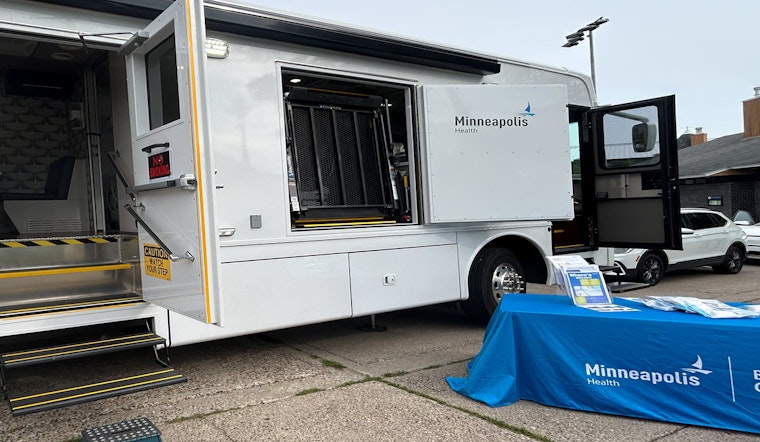
The city's Mobile Medical Unit (MMU) has deployed for action, aiming to deliver crucial health services right to the doorsteps of local neighborhoods where healthcare is more of a luxury than a given.
Making healthcare accessible where it's needed most, the MMU is the new face of the city's efforts to enhance the quality of life for its residents, said Mayor Jacob Frey. "Healthcare shouldn’t be a privilege tied to your ZIP code," Frey commented in an official press event. According to a news release by the City of Minneapolis, the mayor emphasized the significance of the roaming medical clinic, proclaiming, "Our Mobile Medical Unit is on the streets, breaking down barriers, saving lives, and making sure every Minneapolis resident can get the care they deserve."
The initiative isn't just about setting up a few tents and calling it a day. Over $1 million injected into the project from national opioid settlement funds is ensuring that the MMU isn't just another van, but a fully equipped medical center on wheels tackling the brutal opioid and fentanyl crisis head-on. The funding envelope covers staff, vehicle maintenance, and medical supplies critical for delivering essential services to the community.
Operated by the Minneapolis Health Department’s Opioid Response Team, the unit offers a raft of services, which includes basic health screenings, medication consultations, and mental health counseling, with more services like vaccinations and youth healthcare soon to join the roster. "The Mobile Medical Unit is more than a van—it’s a lifeline for communities that too often face barriers to care," Minneapolis Health Commissioner Damōn Chaplin told the City of Minneapolis.
Further battling the opioid crisis, Minneapolis isn't resting on its laurels with just the MMU. The City has also launched NARCAN vending machines and has entered into strategic partnerships to spice up its response to the epidemic. Collaborations with the University of Minnesota Extension Department of Youth Development and the Masonic Institute for the Developing Brain focus on educating youth on brain health, critical for mental resilience in the face of substance misuse. There's also a nod towards recovery with Brixadi®, a medication to combat opioid use disorder being made available through a pilot partnership that involves the Elliot Park Neighborhood Association, M Health Fairview Recovery Services, and the Native American Community Clinic (NACC).
Hitting the streets and serving communities is just one piece of the puzzle. According to Suzanne Young, Senior Project Manager of the Opioid Response Team, the MMU combines "best practices, data-driven insights, and performance measures," making it a beacon of hope and a strategic component in Minneapolis' toolkit against the opioid epidemic. As the MMU rolls through the city, its mission remains steadfast: provide healthcare, reduce overdoses, and foster long-term recovery among Minneapolis communities.




