

























































The tussle for tax revenues from recreational marijuana has reached a conclusive turn in Missouri, with the state Supreme Court ruling that counties cannot levy a sales tax on pot if a city tax is already in place. This decision has caused a stir in local administration circles, particularly impacting the expected revenue streams for counties like St. Charles.
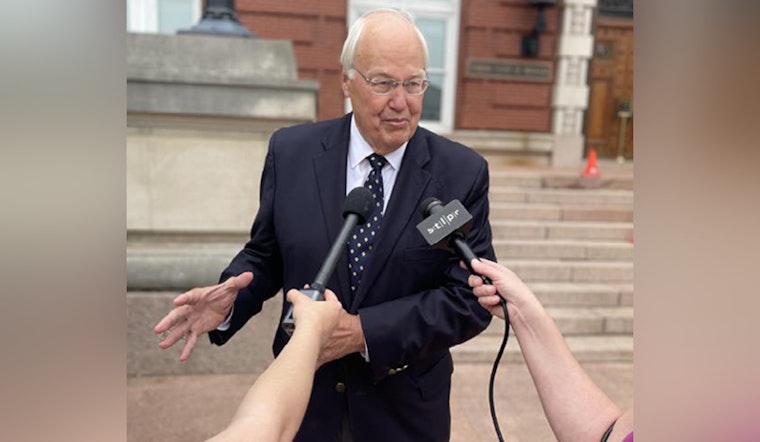
In response to the judicial dictate, St. Charles County Executive Steve Ehlmann expressed his discontent but acknowledged the binding nature of the court's resolution. "I’m disappointed with the outcome, but I respect the court’s decision, and we will abide by it," Ehlmann was quoted to say by St. Charles County's press release. Under the spotlight was the legality of "stacking" a county's 3% tax atop a city's, which the marijuana industry challenged, arguing inconsistency with the language of the constitutional amendment sanctioning recreational marijuana sales.
Historical precedents where both county and city taxes coexisted, such as with alcohol sales, did not sway the court. Ehlmann highlighted the constraints posed by embedding regulations within the state constitution, saying, "One thing this shows is how we need to stop putting everything that comes along into the state constitution." St. Charles County, which joined the lawsuit alongside St. Louis County, stood to gain $2 million annually from the tax, with $3.2 million already collected, now in limbo.
The economic stakes are not trivial, as marijuana dispensaries in St. Charles County have successfully generated sales north of $100 million since the green light for legal recreational use. Looking forward, attorneys for the county are set to thoroughly sift through the state statute to determine the appropriate course of action. Currently, the region hosts over a dozen dispensaries, all nestled within incorporated territories.





