

























































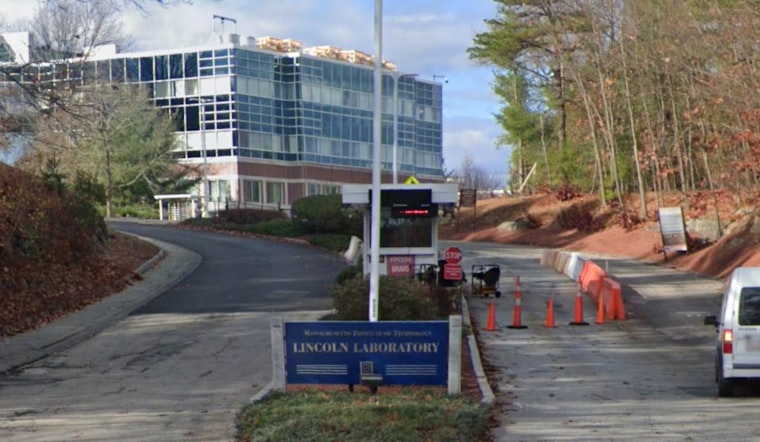
After years of rigorous testing in the labyrinth of the New York City subway system, MIT Lincoln Laboratory has wrapped up its program aimed at improving the network's resilience against chemical and biological attacks. This initiative, under the U.S. Department of Homeland Security’s Urban Area Security Initiative, could potentially overhaul the way transit authorities tackle airborne threats, according to a report by MIT News. Critical findings are expected to pave the way for enhanced threat detection and mitigation systems across subway stations, much to the relief of the commuting populace.
The exhaustive tests, which commenced back in 2019, comprehensively assessed how various agents spread throughout the transit network and aimed to rigorously test to identify the most effective defense mechanisms. Trina Vian from MIT Lincoln Laboratory’s Counter–WMD Systems Group was at the helm, tackling the multifaceted challenges that came with ensuring safety while maintaining public order. "There are real dangers associated with panic during an alarm. People can get hurt during mass evacuation, or lose trust in a system and the authorities that administer that system, if there are false alarms," Vian told MIT News, outlining the sensitive balance their work strived to achieve.
Unique to this program was the deployment of a safe, trackable aerosol across Grand Central Station—a marker that carried a distinct DNA barcode, allowing the team to track its dissemination and providing an unprecedented look into the effectiveness of their strategies. They experimented with air curtains, air filtration units, and a spray knockdown system that originated in the coal mining industry for trapping particulates. The ingenuity of the spray system, which adapts to leverage the simplicity of gravity and an electrostatic field, demonstrates a keen application of existing technology to solve modern security problems.
As anyone who’s had to commute can attest, the subway environment is far from a controlled laboratory setting. The MIT Lincoln Laboratory team, donning bright orange contractor safety vests, often found themselves mistaken for MTA officials by the public. Jason Han, one member of the team, recounted these incidents with a nod to their everyday challenges: "We would often get approached by people asking for directions!" he shared in an interview with MIT News.
Despite these urban hurdles, the research has culminated in a detailed report delivered to the DHS. The Metropolitan Transportation Authority (MTA) is now using the findings to expand their PROTECT chemical detection system, as director of chemical, biological, radiological, and nuclear/WMD detection and mitigation at the New York MTA, Michael Gemelli, indicated the immense value of this comprehensive partnership. "This partnership with DHS and MIT Lincoln Laboratory has led to the identification of the best-suited systems for the MTA’s unique operating environment," Gemelli explained, as mentioned by MIT News.
As the MTA gears up to extend their defense systems by 2026, other transit authorities are watching closely, ready to incorporate the study's actionable insights into safeguarding their own networks. The significance of the MIT Lincoln Laboratory’s long-standing involvement in shaping airborne chemical and biological defense systems is clear, painting a picture of commitment that transcends mere research and veers into public service territory. Such studies solidify the foundation upon which the safety of urban commuters rests, and with the looming threats of the modern world, this kind of groundwork is more necessary than ever.



