

























































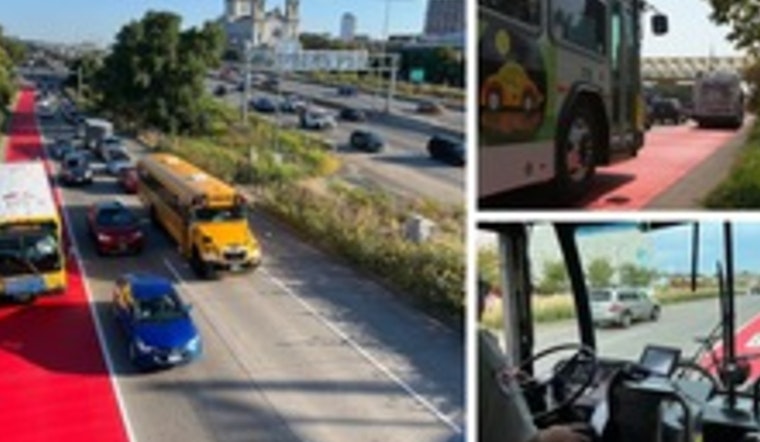
In a push to effectively upgrade urban transit systems, the Minnesota Department of Transportation (MnDOT) is set to enhance bus service reliability through special bus lanes. As detailed in a recent MnDOT bulletin, the department has developed a modeling tool pinpointing bus routes that would significantly benefit from a dedicated right of way (ROW). High demands for dependable transit could soon be met, using these lanes to decrease delays and friction for commuters reliant on these services.
An analysis of bus reliability dug into varied contributing factors, concluding that a dedicated ROW substantially increases service reliability, but only if such bus lanes and busways account for more than 20 percent of the route. Tests further show that fewer traffic signals, higher free-flow speeds, and extended route segments also play into elevating transit dependability. Certain corridors have been flagged as prime candidates for ROWs, aiming to streamline the hundreds of daily journeys that knit the community together.
Still, safety at the crossroads of diverse transit modes remains paramount. MnDOT's research turned toward roundabouts and pedestrian and bicyclist well-being. Observations of nearly 3,000 interactions at roundabouts across Minnesota revealed factors resulting in higher driver yielding rates. These included the size of the roundabout and the positioning of crosswalks. This data serves as a lodestar toward refining roundabout designs, ensuring the symbiosis of safety and fluid traffic.
With an eye on the oncoming tide of automated vehicles (AVs), MnDOT also explored how features like adaptive cruise control could mesh with the current traffic ecosystem. Simulations suggested an initial dip in traffic flow performance using adaptive cruise control, yet adjusting ramp metering algorithms could potentially correct this imbalance. The integration of AV features demands a strategic rethinking of infrastructure to maintain a smooth traffic cadence.
On the maintenance front, results have proven that MnDOT’s concrete road repair strategies yield visible improvements, with smoother roads following suit after intervention. Deterioration, led by a chemical reaction in the concrete from the 1980s and 90s constructions, has been curbed, much to the relief of riders and their trusty vehicles.
Not to be overlooked is the environmental ingenuity in repurposing materials, like old tires now serving a new purpose in stormwater management. Laboratory tests vouched for the effectiveness of tire-derived aggregate's (TDA) phosphate adsorption, evidencing an impressive fiscal and environmental duality. Moreover, the advent of the solar snow fence has graced us with a dual-purpose structure, mitigating drifting snow while also harvesting solar energy, with just a 10-year-plus payback period.
For those drawn into the specifics of transportation safety and efficiency, MnDOT's upcoming virtual Research Radar session, occurring on August 21st, could be just the ticket. Pivotal projects about J-turn safety, smartphone app development for lane departure, and pedestrian crossing guidelines will take the stage, promising a chance to engage with innovations shaping Minnesota's roads. An opportunity to glimpse the transportation horizon awaits. Registration details and more information can be found here.





