

























































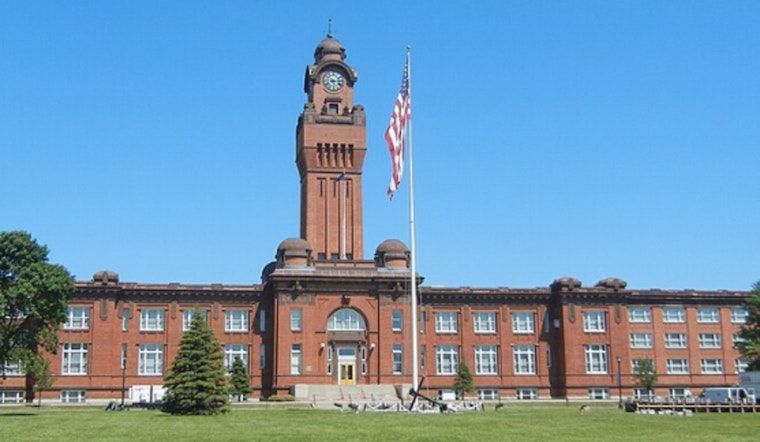
Naval Station Great Lakes, located in the suburbs of Chicago and known as the Navy's largest training station, is set to play a supporting role in an immigration enforcement boost in the city. According to the Chicago Sun-Times, the Department of Defense has secured space at the base for a command center, office space, parking, and portable laundry units for operations by federal agents from the Department of Homeland Security, U.S. Immigration and Customs Enforcement, and U.S. Customs and Border Protection.
The operation, scheduled for September 2–30, will not involve agents staying at the base. They plan to use a building that currently houses the Navy College Learning Center and the Morale, Welfare, and Recreation Library, a move already drawing political pushback. Chicago Mayor Brandon Johnson responded with an executive order barring city police from federal overreach. Meanwhile, the Chicago Sun-Times noted that Trump’s border czar, Tom Homan, confirmed a post-Labor Day deportation campaign, signaling an escalation of federal immigration activity in Chicago.
Meanwhile, North Chicago's Mayor Leon Rockingham shared details after discussing with the commanding captain, revealing that offices, not residences, were at the base's disposal for federal use. This move, part of a larger immigration crackdown similar to one recently launched in Los Angeles, starkly contrasts with the governor's stance. Illinois Gov. J.B. Pritzker vehemently criticized the federal approach, deeming the tactics "shameful" for the way they target residents, as per NBC Chicago.
The immigration crackdown in Chicago may mirror Los Angeles, where the Department of Homeland Security reported 5,000 arrests since enforcement began June 6. Despite a temporary court order barring racial profiling, the administration has appealed the restriction to the Supreme Court and continues its efforts.





