

























































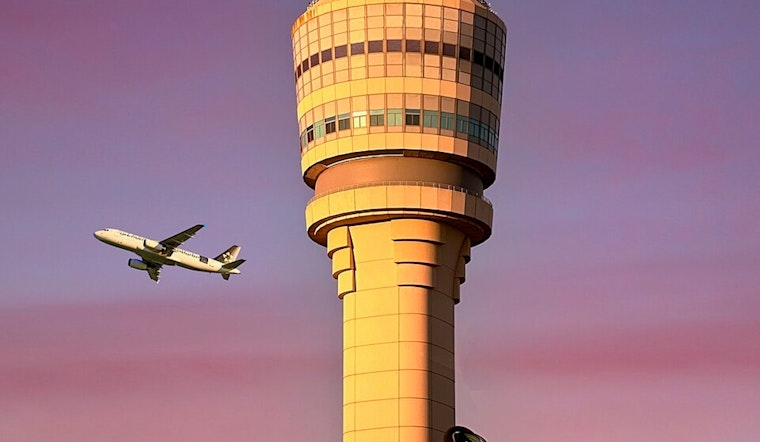
Travelers flying in from Incheon International Airport can expect smoother landings at Hartsfield-Jackson Atlanta International Airport these days, thanks to a new security partnership involving the U.S. and South Korea. A collaboration built around the Customs and Border Protection's (CBP) International Remote Baggage Screening program is allowing passengers to bypass additional screening upon landing, as reported by CBP's announcement earlier this week.
The initiative speeds up the entry process into the United States and reduces connection times by transmitting X-ray images of checked baggage to Atlanta while the passengers are still mid-flight, this effectively means security checks can happen while travelers are airborne and hence, there's no need for them to wait around and recheck their bags once they hit the ground - unless CBP flags them for further inspection. "As part of our baggage innovation initiatives, CBP is excited to expand International Remote Baggage Screening through public/private partnerships with the Republic of Korea, the Transportation Security Administration, and our air travel stakeholders," Diane J. Sabatino, Acting Executive Assistant Commissioner of CBP's Office of Field Operations, explained in the CBP announcement.
This isn't a solo flight for such technology, however, as a similar system took off at Los Angeles International Airport back in April for flights from Sydney International Airport. The success of this earlier program likely paved the runway for the Atlanta implementation. The IRBS program is a group effort, including contributions from the Republic of Korea's Ministry of Land, Infrastructure and Transport, the Transportation Security Administration, Incheon International Airport Corporation, Korean Air, Delta Air Lines, Leidos, and Pacific Northwest National Laboratory.
The partnership with South Korea is a piece of the larger CBP Airport Modernization Plan which targets to upgrade security and improve the overall traveler experience through the adoption of innovative technology, by enhancing traveler experience and strengthening security through the integration of state-of-the-art technology directly into the CBP Federal Inspection Services area, the program demonstrates CBP's commitment to keeping pace with the increasing demands on air travel. Such developments stand to benefit passengers by cutting down redundant protocols and ensuring an expedited, more enjoyable journey.





