

























































The Office of Special Investigation, under New York Attorney General Letitia James, has completed its inquiry into the death of Daevon Roberts, which occurred on July 10, 2024, following an altercation with Buffalo Police Department officers. The OSI's findings, which draw from body camera footage, officer testimony, and legal benchmarks, denote no prosecutorial path forward—given the apparent absence of proof to rigorously challenge the officer's use of force under New York law. This announcement, made public earlier today, aligns with the state's legal framework governing justifiable force by law enforcement.
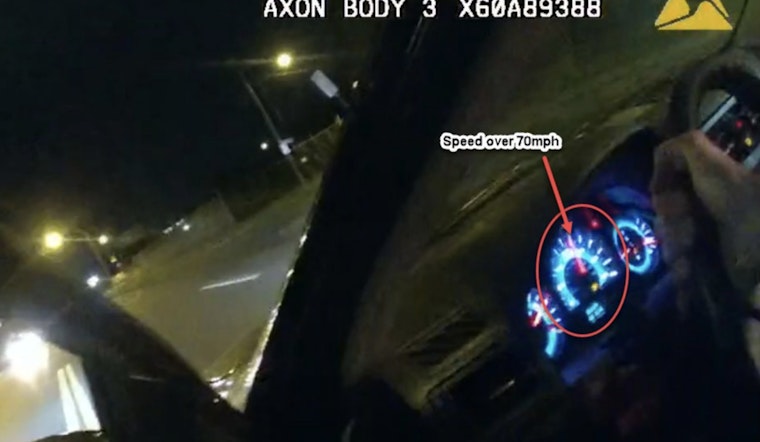
Details laid out in a report released by AG James’ office depict a midnight traffic stop turned deadly confrontation on Kensington Avenue. The events escalated when officers were unable to verify Mr. Roberts' license and instructed him to exit his vehicle, which he ultimately refused. As detailed in the Attorney General’s Office report, Roberts not only refrained from compliance, but also forcibly drove away, resulting in a harrowing scene where an officer was dragged at high speeds while tethered to the car door, his life vocally acknowledged as in serious peril.
Situations intensified as the officer, clinging to the speeding vehicle, reportedly fought to avoid being killed, at one point attempting to brake the car. When Roberts allegedly moved to seize the officer's weapon, a fatal shot was discharged, leading to Roberts’ later pronounced demise at a local hospital. This series of actions laid the groundwork for the OSI to ultimately conclude that it cannot persuasively invalidate the lawfulness of the officer’s conduct during the incident, especially given the high bar for criminal prosecution in such cases.
Recognizing the criteria necessary to warrant charges, the OSI has determined that the evidence does not sufficiently dispute the belief that the officer's use of deadly force was necessary in defense against a perceived imminent threat to his life. In justifications provided by the Attorney General’s Office, the officer's fear and subsequent decisions amidst being dragged at 70 MPH by Mr. Roberts’ vehicle informed their ruling. Despite the profound loss of life, the legal framework within which this case has been assessed suggests that the state sees no tenable route for leveling charges against the involved officer.





