

























































Oregon is making a substantial investment in affordable housing with $160 million going towards the construction and preservation of over 740 homes, as confirmed by Oregon Housing and Community Services (OHCS). Covering 10 rental housing developments, this initiative aims to bridge the housing affordability gap that plagues the state. According to OHCS, the diversity in housing types spans from manufactured homes to multi-bedroom family units designed to accommodate a broad spectrum of Oregonians.
Under the purview of Governor Kotek's administration, the drive towards affordable housing focuses on establishing roots across diverse communities. Kotek emphasized, "As we help families make the transition from sleeping on the streets to housing stability, we must also make sure working-class Oregonians can afford a home where they can build their lives, no matter their zip code,” to demonstrate the proactive steps taken to foster inclusive community growth. The executive director of OHCS, Andrea Bell, underscored the importance of housing as a foundation for thriving lives, looking to create a "boom in housing" under the governor's guidance.
The wide-ranging impact of this housing initiative touches many lives, especially those often marginalized or exiting systems that do not typically support a smooth transition to stable living environments. Seniors, young adults formerly in foster care, Black, Indigenous, and People of Color, as well as individuals exiting the criminal and juvenile justice system, and people who have experienced homelessness are among the intended beneficiaries. It's a concerted effort by the state to ensure that housing instability, which has disproportionately affected certain groups, is addressed with nuanced, community-informed solutions.
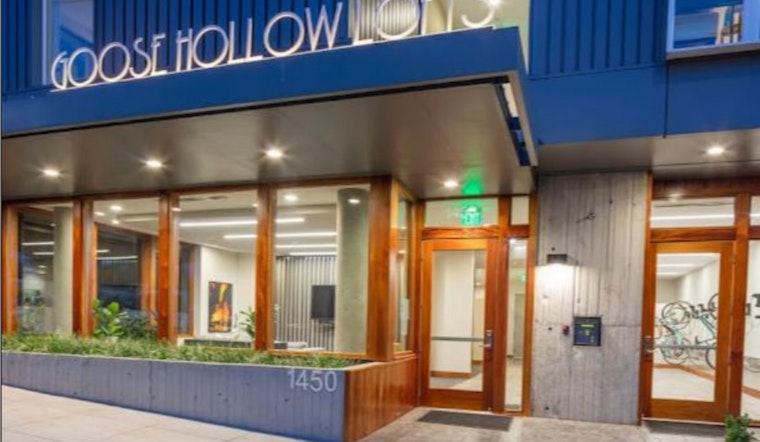
Contributing to this latest funding round, ten developments have been outlined, including Rose Schnitzer Tower and Goose Hollow Lofts in Portland, Farmdale Apartments in Woodburn, Hillside Park Buildings D & E in Milwaukie, and multiple others, with each carrying the promise of more inclusive housing. Part of these development efforts stream from the Local Innovation and Fast Track (LIFT) program, which, since its 2015 inception, has been pivotal in increasing access to affordable living spaces for those earning low to moderate incomes.
OHCS remains committed to reinforcing the foundations of community and home, recognizing that adequate and affordable housing is not just a building but a necessary platform from which individual lives can expand towards broader horizons of opportunity and well-being.



